
Ethics Explored Discussion Series

Ethics Explored Discussion Series
Formerly known as Evening Ethics
Our Ethics Explored discussions provide informal, multidisciplinary discussions about current issues in healthcare ethics and typically take place every month or as timely topics arise.
General Info
1.5 hours of CME credit | When in person, refreshments are offered
*To protect the privacy of all who attend and the tempo of the discussion:
1) the virtual side of hybrid meetings will start in the Waiting Room
2) participants need to email the Center to receive a passcode
A Center member facilitates each discussion, which is guided by the topic, and we invite people with relevant expertise, experience, and informed opinions to join us as moderators, speakers, and/or panelists. Generally, 15-40 people from a variety of disciplines, including healthcare, public policy, philosophy, law, and business attend. When relevant, we make available, in advance, short articles from the nation's most thoughtful newspapers, journals, and magazines to help enliven our discussions.
Check back here for the most current listings, or:
-
Read our latest newsletter
-
Subscribe to our Main/Newsletter listserv
-
Check the U of U-Health Calendar

2026 Discussions
Series is approved for 1.5 hours of CME credit ~ When in person, refreshments are offered
Details & Schedule
For questions about accommodations, please email us!

Treating Children with Trisomy 18: The Ethically Fraught Space Between Ableism, Advocacy, and Aggressive Care
Trisomy 18 has long been characterized as a fatal condition—a chromosomal disorder that guarantees the death of a child soon after they are born. Recent advances in fetal, newborn, and pediatric care, however, have allowed some children with trisomy 18 to live into adulthood; and though these children live with profound disabilities, their families recognize profound meaning and profound joy in their lives. Still, the narrative that children with trisomy 18 are destined to live very short lives with very low quality of life predominates in many healthcare environments, influencing conversations about what health interventions are offered—or not offered—for them.
The shifting landscape surrounding what health interventions are available, what data we have about those interventions, and what clinicians can reliably predict about a child with trisomy 18 given that limited data set raises pressing ethical questions that providers and families are facing with increasing frequency: What is in the best interest of a child with trisomy 18 when it comes to advocating for their health and wellbeing? How do ableist biases about what makes a life worth living shape such evaluations? At what point does treating a child with trisomy 18 amount to overly aggressive care?
We will be joined by and converse with four people who have wrestled extensively with these questions: two parents of children with trisomy 18—one of whom is also an obstetrician and who was profiled recently in The New York Times Magazine (Renae Bradley, and Jacqueline Vidosh MD), a medical geneticist who has been a leading voice advocating for children with trisomy 18 for forty-five years (John Carey MD MPH), and a neonatologist with thirty-five years of experience in the US and internationally working with critically ill newborns including those with trisomy 18 (Luca Brunelli MD PhD).
The discussion will take place from 5:30 to 7:00 PM. Please click here to register.
Recommended Readings:
“Noah Is Still Here”, by Sheri Fink, The New York Times Magazine, 31 July 20025
Details & Schedule
For questions about accommodations, please email us!
THURSDAY, FEBRUARY 12, 2026
12:00 PM
Hybrid Event
CME Available

Moral Distress in the NICU
Led by historian Johanna Schoen, we will discuss how aggressive resuscitation and care in the NICU often has led to moral distress among parents and clinicians. We will reflect on past practices as we consider the ethical concerns faced by everyone caring for neonates. A short reading will be provided to prepare us.
Details & Schedule
For questions about accommodations, please email us!
THURSDAY, MARCH 26, 2026
5:30 PM
Hybrid Event
CME Available

The Missing Humility in Current Public Health Strategies to Make Neighborhoods Healthier
Among peer wealthy democracies, the United States has infamously poor health overall, and especially large gaps between segments of its populations, including between neighborhoods. The vast disparities between Americans living in different neighborhoods have inspired decades of scholarship and policy proposals aiming at improving health overall and narrowing health gaps between different communities. Taking a sharp turn, the current US political administration has now embraced a public health strategy called "Make America Healthy Again" (MAHA). This strategy has been defended as a necessary corrective to past failures to improve US health outcomes. We will begin the discussion with a presentation by philosopher of health Sean Valles, who will argue that this strategy is doomed to failure due to a number of strategic missteps, with one overarching problem being that the MAHA strategy lacks humility. We will discuss the contrast between past and present approaches to improving health outcomes. The need for humble, community-grounded, and collaborative approaches to public health improvement have been some of the most important and hard-learned lessons of the history of public health. By contrast, the MAHA movement has sought to impose a top-down agenda that devalues local community participation and offers contradictory policy proposals.
2025 Discussions
Series is approved for 1.5 hours of CME credit ~ When in person, refreshments are offered
Details & Schedule
For questions about accommodations, please email us!
THURSDAY, JANUARY 9, 2025
5:30-7:00 PM
(flyer)
HYBRID EVENT
Room: EHSEB 5750C
Virtual: through Zoom
CME available
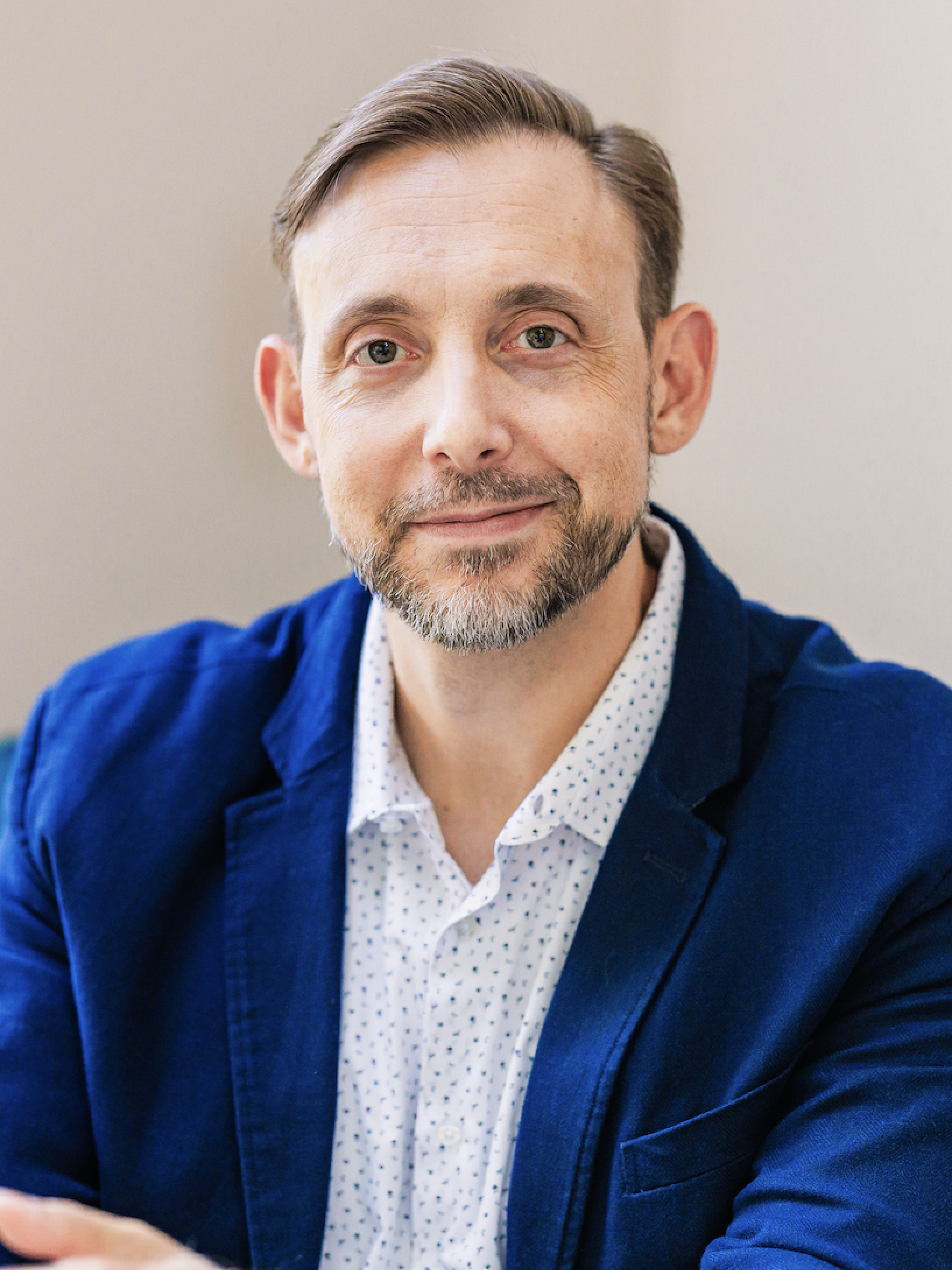
"Catastrophe Ethics: How to be Good in a World on Fire"
We are surrounded by problems that are urgent and catastrophic—that seem to require a moral response by each of us—but which are too big and too complex to be solved by any individual. Climate change is the paradigm case of such a challenge. It occurs when billions of people engage in uncoordinated activity, emitting greenhouse gases into the atmosphere, hundreds of billions of tons at a time. So what must each of us do, ethically, in response? Are you obligated not to buy a gas-guzzler and take it for joy rides while the world burns? These are the questions we’ll explore together in this discussion. And they are especially important, I’ll suggest, because climate change is far from the only case in which individual action can feel morally important and yet futile at the same time. Acting during an infectious disease outbreak, making consumer choices, engaging in politics, giving to charity, and responding to structural racism all have the potential to give rise to the puzzle of individual morality in an era of collective threats.
Short reading: https://time.com/6837533/catastrophe-ethics-essay/
Details & Schedule
For questions about accommodations, please email us!
WEDNESDAY, FEBRUARY 26, 2025
12:00-1:30 PM
HYBRID EVENT
Room: EHSEB 5750C
Virtual: through Zoom
CME available
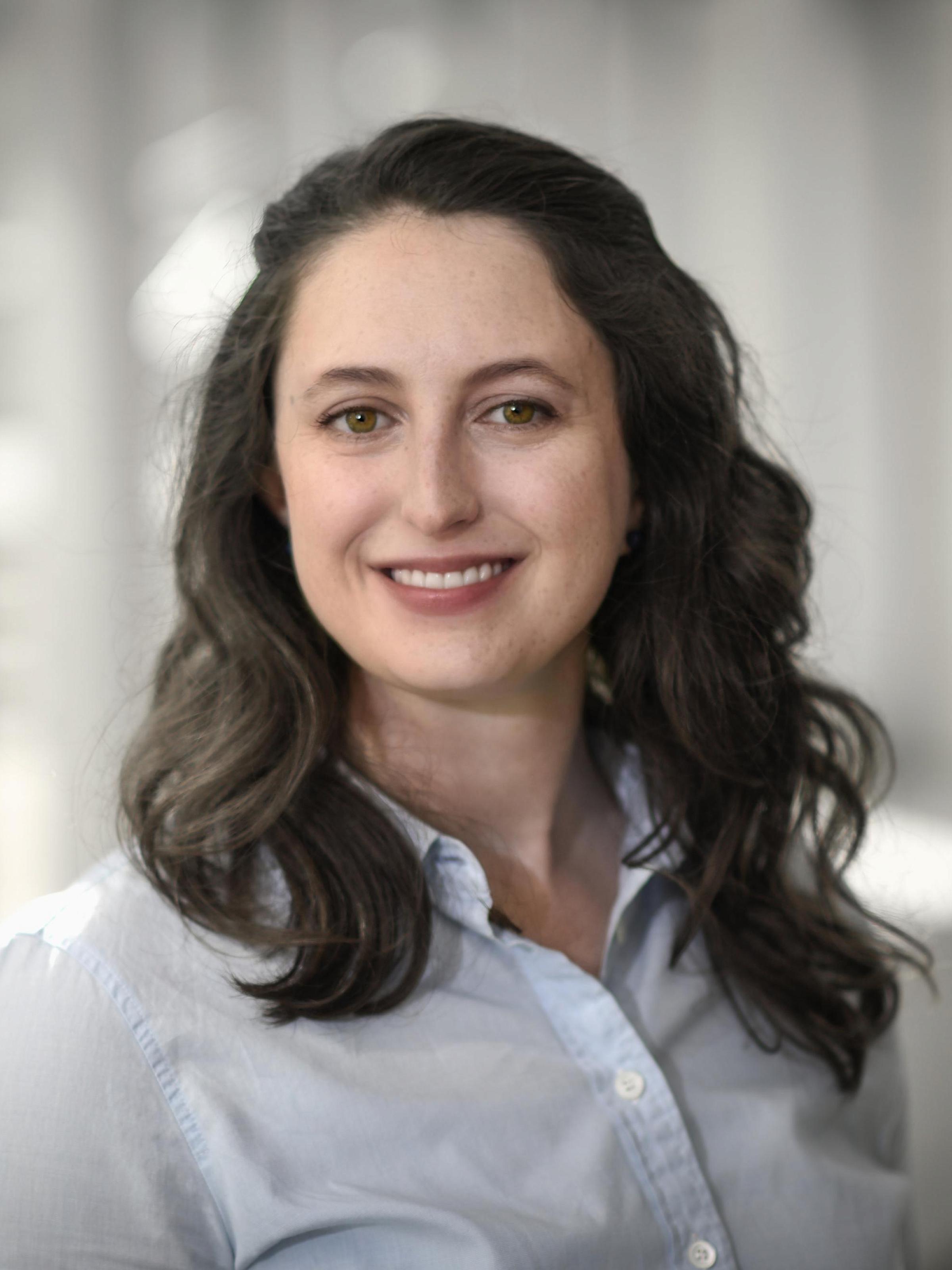
"Common Cases in Clinical Ethics: Guidance for Providers and Patients"
This Ethics Explored will provide an introduction to the field of clinical ethics. This talk will include background information on relevant bioethical concepts and a presentation of regularly occurring ethical issues. This talk will also highlight available interventions to help address common challenges when they occur and proactive strategies to mitigate the risks of ethical issues in clinical care.
Details & Schedule
For questions about accommodations, please email us!
THURSDAY, MARCH 20, 2025
5:30-7:00 PM
HYBRID EVENT
Room: EHSEB 5750C
Virtual: through Zoom
CME available
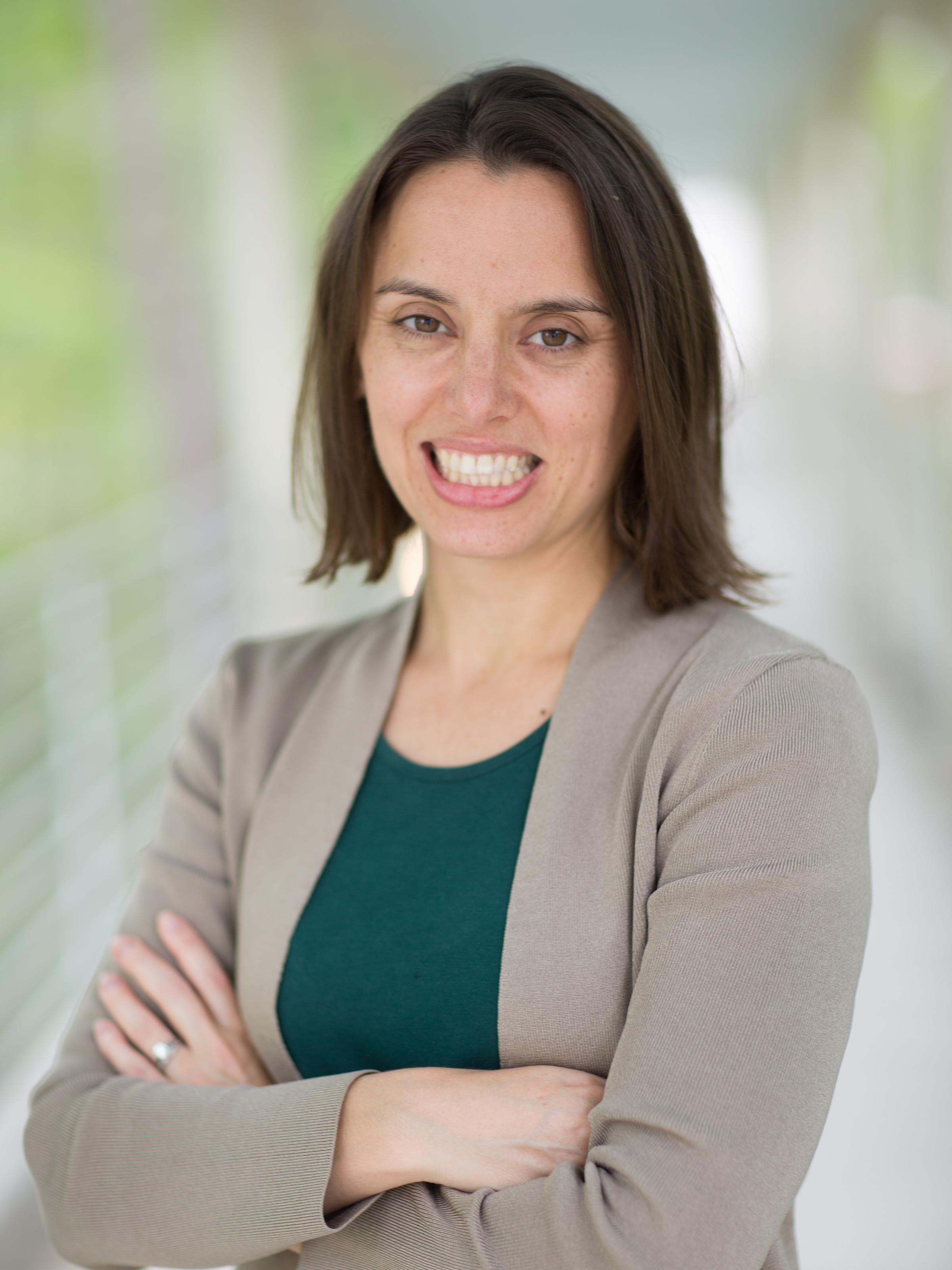
"Navigating grief: Taking care of ourselves and each other"
Grief is a fundamental and necessary part of the human experience. Too little is known about how grief impacts healthcare professionals, who may be called upon to care for others while experiencing personal or professional loss. In this session, we will explore individual and systems-level strategies to support colleagues amidst personal and professional grief as well as some important ethical questions that arise: What unhelpful ideas persist about the role of emotion in a clinical setting? How can a clinician’s grief affect patient care? How and when should patients and families be made aware of grief or loss affecting their healthcare team? What are an institution’s responsibilities toward clinicians experiencing grief and loss?
Short reading: https://pubmed.ncbi.nlm.nih.gov/32614632/
Details & Schedule
For questions about accommodations, please email us!
WEDNESDAY, MAY 21, 2025
12:00-1:30 PM
VIRTUAL EVENT
Available through Zoom
This event will be held on Zoom only and was rescheduled from an earlier date.
CME available

"Health Policy in the First 100 Days of the Second Trump Presidency"
Join us for this informative discussion of recent changes in government policies related to healthcare and health research that affect our daily lives and work. Facilitated by expert faculty from the College of Law, Department of Philosophy, and Office of the Vice President for Research.
Details & Schedule
For questions about accommodations, please email us!
THURSDAY, SEPTEMBER 4, 2025
5:30-7:00 PM
Hybrid Event:
In-person: Chokecherry and Alder conference rooms, GS150
[HELIX #Rm GS 150]
Virtual: Zoom
CME available

"Ameliorating Ageism in Healthcare"
Dr. Lamb, Case Western Reserve University School of Medicine, and colleagues from the U’s Center on Aging will join us for a discussion focused on ageism, its health consequences, and its role in healthcare. We hope you will come with questions like: How does ageism affect my health, and what can individuals do to address ageism in our daily lives? What do healthcare providers need to know about ageism? What will get providers excited about working with aging populations in new and better ways? We will serve a light dinner for those who RSVP to attend in person.
Recommended Readings:
Ageism in health care is more common than you might think, and it can harm people
Details & Schedule
For questions about accommodations, please email us!

"The Ethics of Fluoride: A Discussion with Dental Professionals"
Join faculty from the University of Utah's School of Dentistry and local dental professionals for a discussion on recent developments in oral healthcare, including the removal of fluoride from Utah’s public water and the ethical issues it raises. This event will be held as a Zoom webinar. The discussion will take place from 5:30 to 7:00 PM. Please click here to register for the webinar.
Recommended Readings:
Projected Outcomes of Removing Fluoride From US Public Water Systems
Details & Schedule
For questions about accommodations, please email us!
TUESDAY, NOVEMBER 18, 2025
5:30-8:00 PM
Hybrid Event:
In-person: A. Ray Olpin Union Theatre
Virtual: Click here to Register
CME available

"Assisted Dying + Disability Justice in the Film ‘Life After’"
Please join us for a screening of the Sundance award-winning documentary “Life After,” which re-examines the 1983 case of Elizabeth Bouvia who sought the “right to die” because of her disability. The film raises questions about how systemic failures, profit motives, and medical ableism influence the contemporary debate about assisted dying through a disability justice lens (distributed by Multitude Films).
The film will begin at 5:30 PM, followed by a discussion with filmmaker Reid Davenport, who will join us by Zoom. We will serve a light dinner for those who RSVP to attend in person.
2024 Discussions
Series is approved for 1.5 hours of CME credit ~ When in person, refreshments are offered
Details & Schedule
For questions about accommodations, please email us!
WEDNESDAY, NOVEMBER 20, 2024
5:30-7:00 PM
(flyer)
HYBRID EVENT
Room: EHSEB 5750C
Virtual: through Zoom
CME available
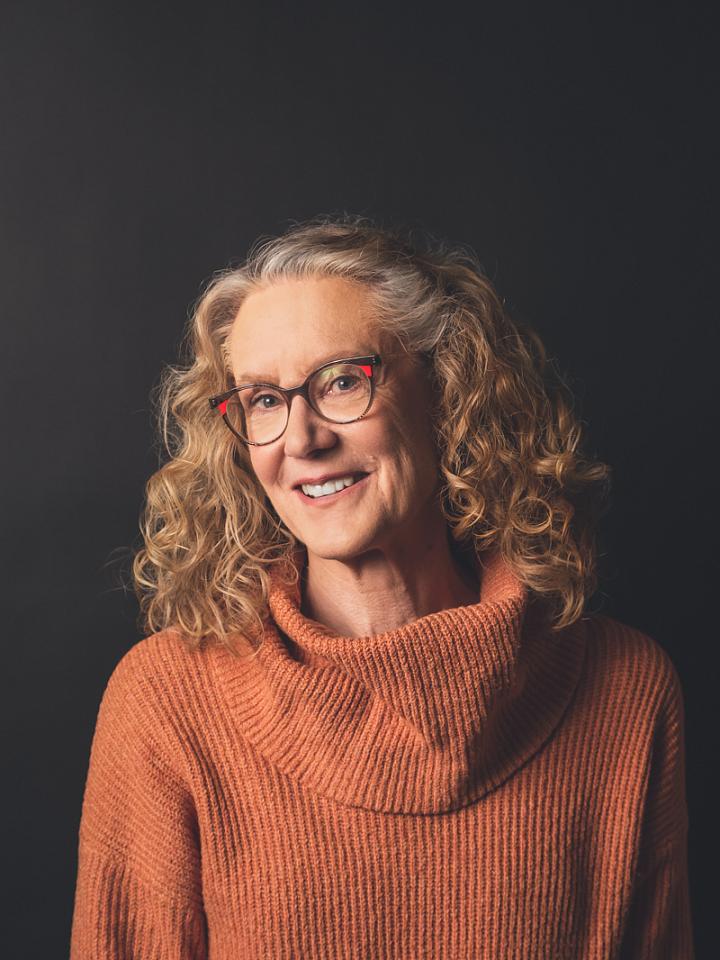
“Putting Hope Back into Practice: How Narratives of Medicine Can Enrich Our Moral Understanding and Ethical Practice of Hope”
Since ancient times, hope has been considered fundamental to human well-being. With technological advances in patient care, however, providers often are reluctant to speak of hope, not wanting to cause harm by offering “false hope,” particularly to critically ill patients and their families. Yet studies have shown that when denied hope, patients may experience despair that hastens death, while providers report moral distress. In our discussion, we’ll examine the linguistic construction of hope and its impact on behavior. From a narrative in medicine perspective, we’ll consider how patients and providers enact hope through narrative, creating space for a nuanced moral understanding as well as ethical way of practicing hope.
Details & Schedule
For questions about accommodations, please email us!
THURSDAY, OCTOBER 17, 2024
12:00-1:30 PM
(flyer)
HYBRID EVENT
Room: EHSEB 5750C
Virtual: through Zoom
CME available
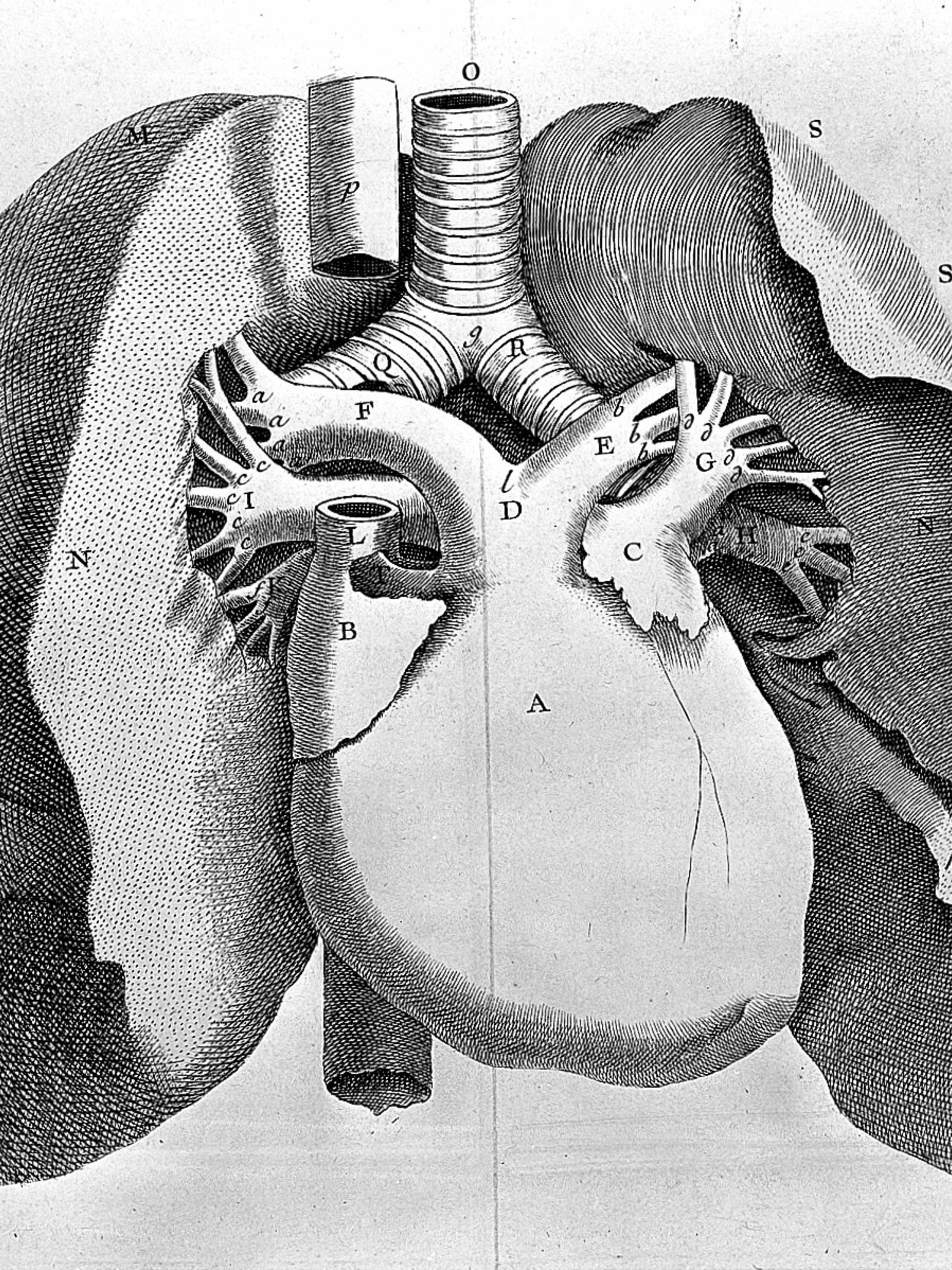
"Brain Death, Consent, and the Dead Donor Rule: Ethical Considerations in TA-NRP Organ Procurement"
Organ donation and transplantation involves complex decisions that are affected by medical technology and social concepts of life and death. This discussion, facilitated by four U of U Health physicians and ethicists, will focus on a new method for organ procurement called Thoracic Normothermic Regional Perfusion (TA-NRP). We will consider clinical and ethical questions related to TA-NRP, including determination of brain death, organ procurement policies, and relevant physiology.
Details & Schedule
For questions about accommodations, please email us!
MONDAY, SEPTEMBER 23, 2024
12:00-1:30 pm
HYBRID EVENT
Room: EHSEB 5750C
Virtual: through Zoom
CME available
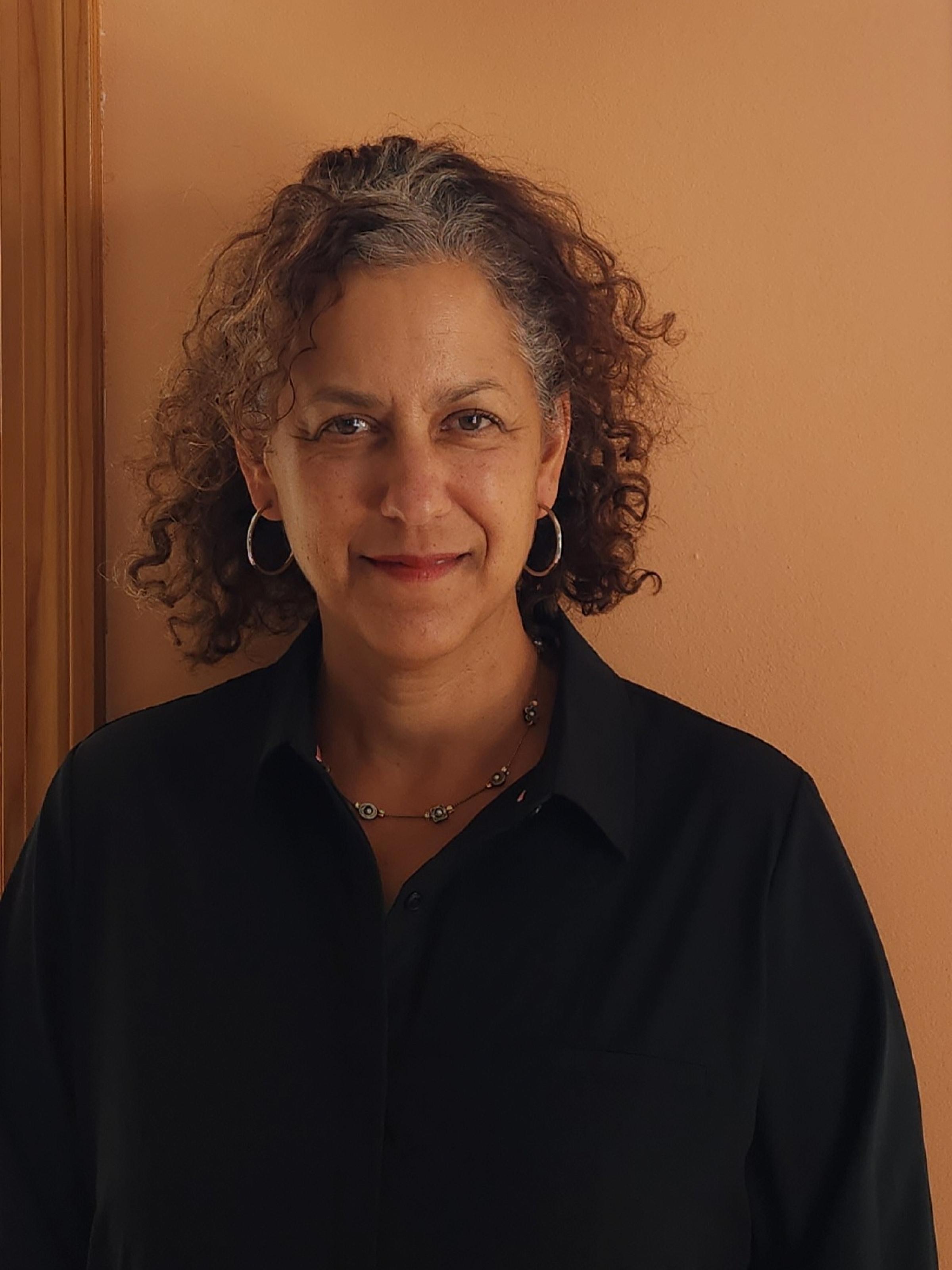
Sarina Furer, BA, MEd
"The Value of Narrative as a Means of Building Resiliency"
Increasingly, pediatric, adolescent, LBGTQ+, and ob/gyn patients who experienced trauma seek primary care for other health problems. Studies have shown that although trauma exposure significantly impacts psychiatric and physical health, as well as health behaviors, it often is unrecognized by providers.[i] Some avoid discussing psychosocial factors for fear of offending patients, eliciting negative patient reactions, and blaming patients, in addition to inadequate training and resources.[ii] Yet, patient trauma exposure that is not recognized may result in clinical professionals becoming “second victims” who experience trauma-related symptoms that can lead to burnout.[iii] One clinical tool that has proven valuable for both patients and providers is narrative. “[I]llness amounts at least in part to suffering from an incoherent story or inadequate narrative account of oneself”[iv] As physician Howard Brody notes, “putting a stressful life event into written words organizes the event in one’s mind in a way…that suggests both the power to distance oneself reflectively from the event rather than to be immersed in or overwhelmed by the event and also the power to control the event and place it within the overall context of one’s life.”[v]
Leading our discussion will be Sarina Furer, B.A., M.Ed., a teacher, writer and artist who uses narrative in workshops she leads at the Center for Resilience in Jerusalem, Israel. She will talk about narrative techniques she has found beneficial when working with individuals exposed to trauma. Questions we may discuss include:
- How can clinical and non-clinical health professionals use narrative to create a safe space that invites patients as well as themselves to construct a personal story that helps make sense of a bad event?
- Do you encourage individuals who have experienced trauma to construct “counternarratives,” stories that may oppose prevailing beliefs and attitudes yet proclaim their identity and self-worth? Is this an essential component of resiliency?
- Can personal narratives help enact social understanding, as some scholars claim? Does the literary element of “personification” in the background reading work in this way?
[i] Van den Berk-Clark, C. et al. Identifying and overcoming barriers to trauma screening in the primary care setting. Families, Systems & Health: The Journal of Collaborative Family Healthcare 2021: 39(2): 177-187.
[ii] Reichman, Mira et al. What Are Orthopaedic Healthcare Professionals’ Attitudes toward Addressing Patient Psychosocial Factors? A Mixed-Methods Investigation. Clinical Research & Related Research 2022: 480(2): 248-262.
[iii] Rivera-Chiauzzi, E. et al. Factors influencing second victim experiences and support needs of OB/GYN and pediatric healthcare professionals after adverse patient events. Patient Safety & Risk Management 2023: 28(6): 253-259.
[iv] McAdams, Dan P. The Stories We Live By: Personal Myths and the Making of the Self. New York: The Guilford Press, 1993.
[v] Brody, Howard. Stories of Sickness, 2nd ed. New York: Oxford University Press, 2003.
BACKGROUND READING:
Gender, J. Ruth, "Grief", The Book of Qualities, Harper & Row, 1988, p. 94
Grief
Before she came to this town, Grief was a woman named Eliea. She was a potter, and she glazed her big-bellied pots with earth colors until they shone like dull bronze. She had four children. The daughters live inland now in the distant foothills, and the oldest son left the family as soon as he could get away. It was the young boy with the golden curls and the laughing eyes who gave her great joy. He loved the ocean. He was barely walking when he learned to swim and not much older when he started to sail.
One day about two years ago, the sailors brought his boat home empty.
Never have I heard such sounds of weeping as when Grief found out her son had drowned. She screamed and howled. She stamped her feet and smashed her pots and bowls She ate with all her fingers. She tore at her hair, and it grew wild and matted. She wandered from place to place with no sense of where she was or how she came there
One day at the edge of the forest, Grief heard another woman crying out. She spoke with her. She listened to her story. Grief was surprised. She had never met anyone else who had suffered as she had. Together the women sat in the clearing and mourned their children. Through the long afternoon, through the twilight, through the night, they wept and wept and wept and wept. In the morning Grief was washed clean of her tears. She came to our town and started to do her real work
Details & Schedule
For questions about accommodations, please email us!
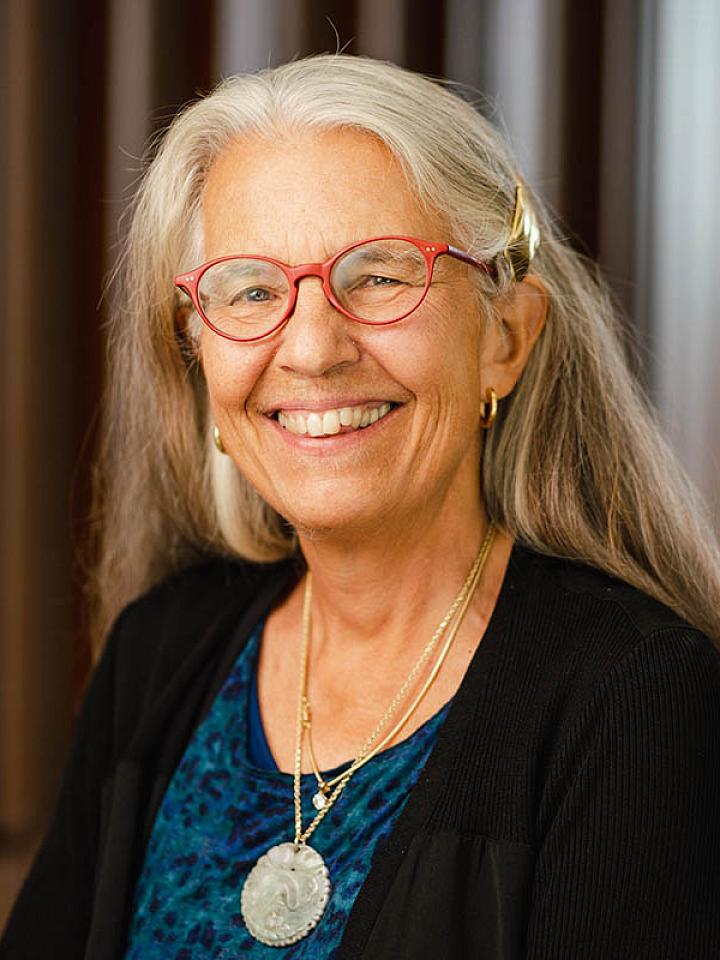
Leslie Francis PhD, JD
"State variations in health policy within the US: challenges and opportunities for providers and patients"
Following their newly published book, States of Health: The Ethics and Consequences of Policy Variation in a Federal System, Leslie and will lead a discussion of the extraordinary range of policies about health and health care in the US, and the truly shocking differences in health outcomes that are associated with these policy differences between states. Topics addressed will include the potential advantages to federalism, including possibilities for addressing ethically controversial care, and the importance of movement for navigating a federal system.
This event will be held on Zoom only and was rescheduled from an earlier date.