
VPCAT Mentors

VPCAT Mentors
Current VPCAT Senior Mentors
Welcome to our Current VPCAT Senior Mentors page. Here, we recognize our dedicated VPCAT senior mentors who provide intensive mentorship and support to scholars to achieve their career goals. These experienced mentors profoundly shape the journeys of our scholars.
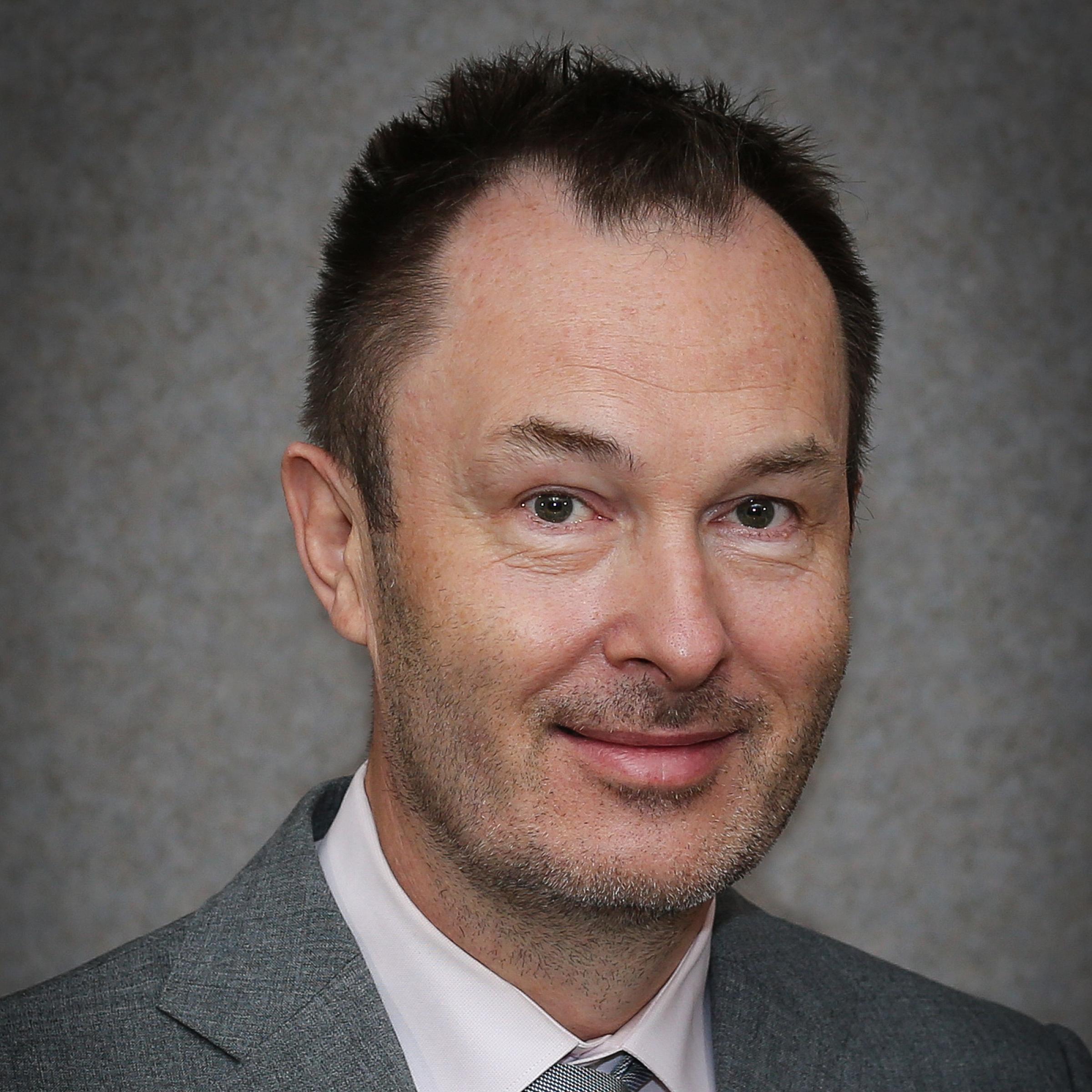
Michael H. Andreae, MD, PhD, MSc
Title: Professor, Department of Anesthesiology | Adjunct Professor, Department of Biomedical Engineering
Email: michael.andreae@hsc.utah.edu
Born and raised in Munich, Germany, I became a Professor of Anesthesiology at the University of Utah in 2021 after serving as faculty at Mount Sinai, Albert Einstein in New York and Penn State. I completed my medical degree in Germany (Bonn, 1994), spent time in Kyoto, Japan as a Monbusho Scholar, earned postgraduate degrees at Imperial College, London (1996), Columbia University (2015) funded through NCATS/KL2 mentored research training, an eMBA at Penn State (2020), and a PhD in Freiburg, Germany (2022). Clearly, I am the perennial student…
The spectrum of my interest and methods is broad: Most recently, funded through the AHRQ (PI Weinger, 5R18HS026158), we studied clinician decision making during simulated medical crises; on a multi-center project, funded through the NCATS/CTSI-Cores program (PI Andreae, UL1TR004409), we investigated patient prejudice towards minoritized clinicians. We are resubmitting an R01 proposal investigating individual clinician equity metrics in a large electronic health registry. I am also an active scientific reviewer, including serving as a scientific reviewer for the PCORI’s Phased Large Awards for Comparative Effectiveness Research (PLACER) panel.
What I enjoy most about mentoring is the bidirectional learning experience. As the mentor, I learned so much from my junior colleagues. My mentees introduced me to new fields, gave me innovative ideas about new methods, taught me how to teach better and work more effectively. For instance, through my mentee, I became interested in the impact of air pollution on perioperative outcomes. Most of all, I got to know interesting people in ways I might not have expected. Many of my mentees went on to win NIH, foundation funding, and mentored research training and we now continue to collaborate at eye level.
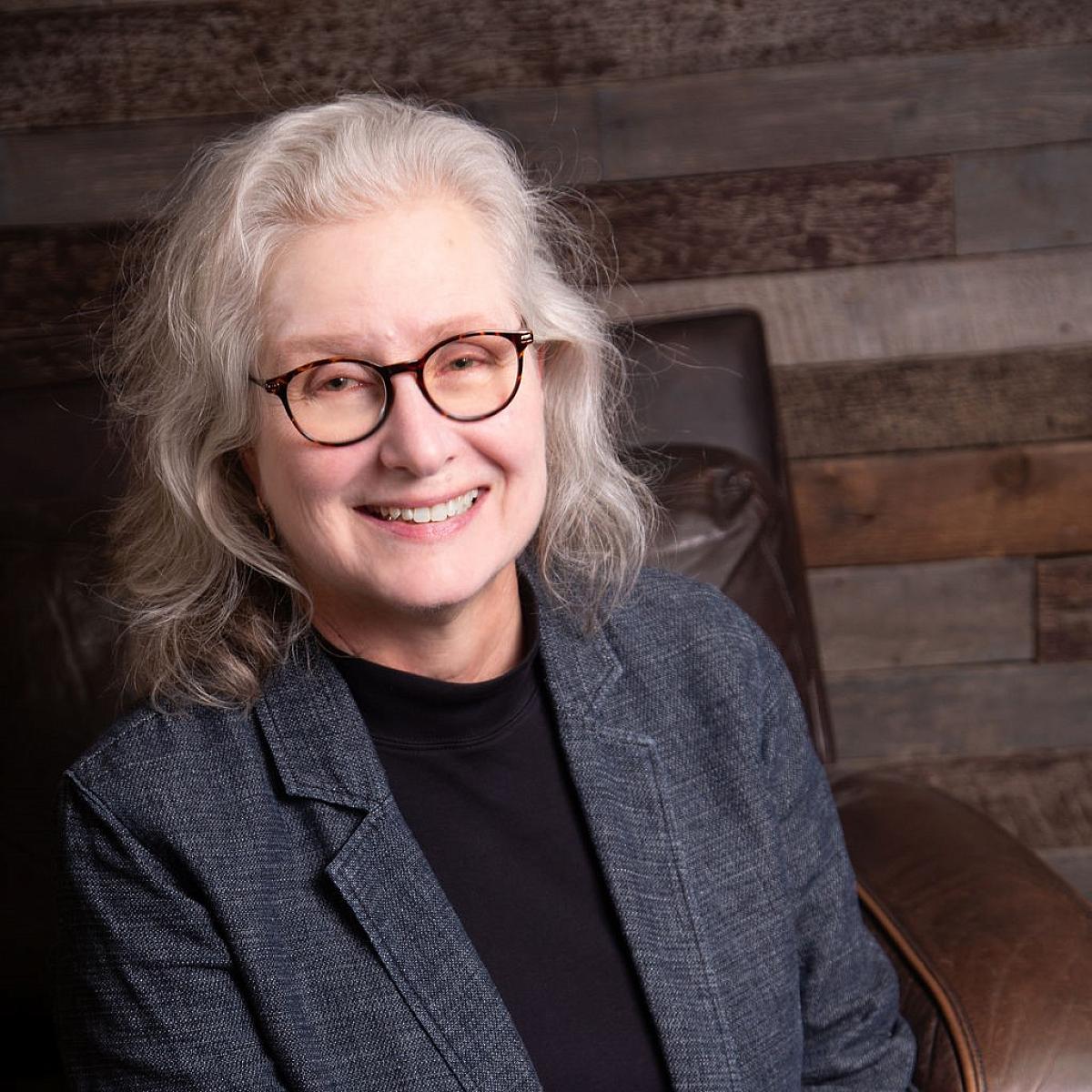
Lisa G. Aspinwall, PhD
Title: Professor, Psychology | Member, Cancer Control and Population Sciences Program, Huntsman Cancer Institute | Member, Center for Genomic Medicine | Member, Consortium for Families and Health Research
Email: lisa.aspinwall@utah.edu
As a social and health psychologist, I study how people think about their future health, particularly opportunities to proactively manage genetic risk through prevention and early detection. My basic and translational work in this area has been funded by NSF, NCI, and UCEER. As past chair of the Department of Psychology and a VPCAT Senior Mentor since 2019, I have mentored many junior faculty in the preparation of their initial grant submissions, including multiple career development awards. I have been a primary scientific mentor to one K-awardee and an American Cancer Society Research Scholar. I am a local and national advocate for LGBTQ+ scholars and scholars with disabilities.
I enjoy teaching and mentoring. I've benefited from outstanding mentoring, and look forward to the opportunity to help VPCAT scholars assess their priorities, navigate academia, and reach their goals – without burning out. I can also advise on main campus RPT issues and ways to communicate about the programmatic and translational value of one's work to a broad interdisciplinary audience.
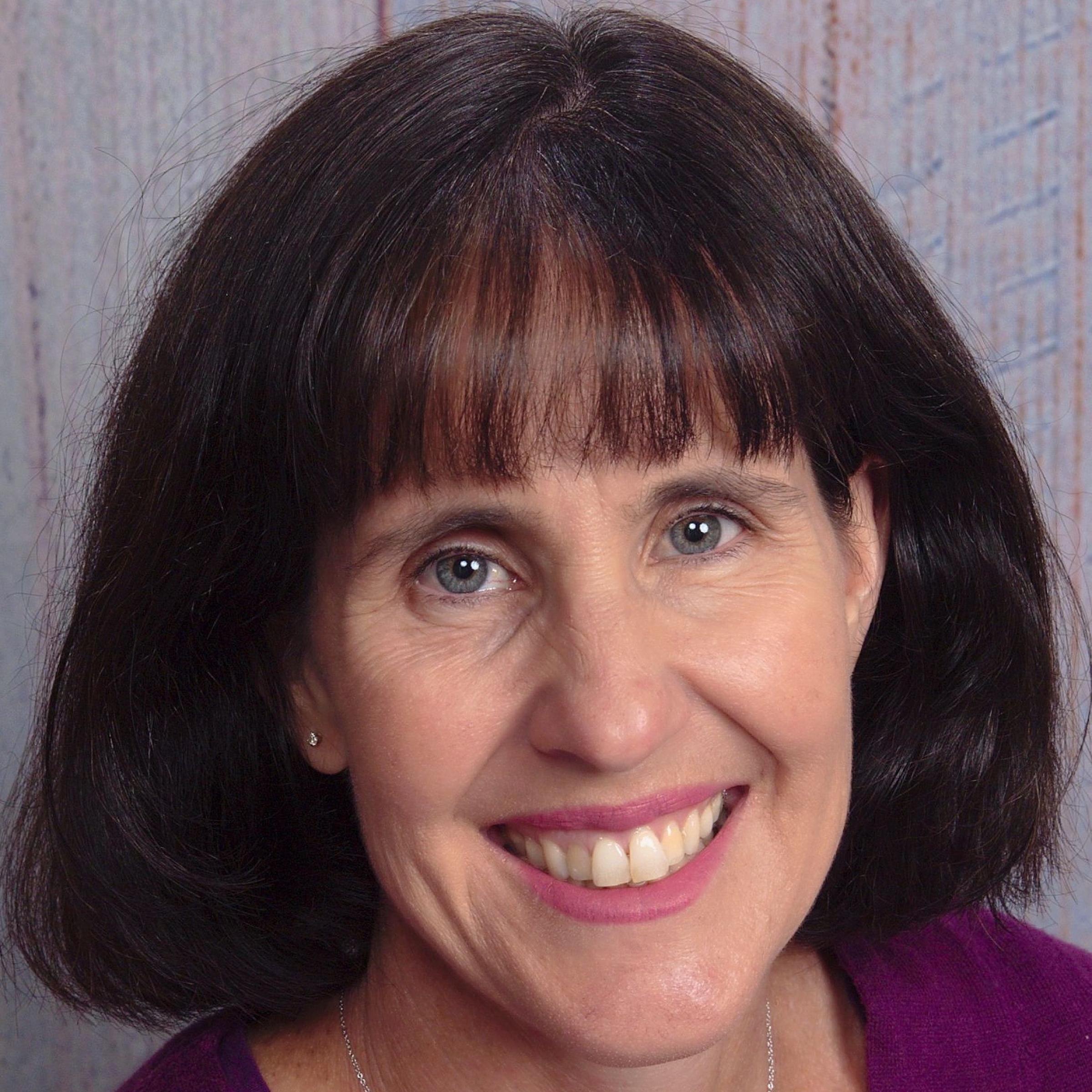
Anne J. Blaschke, MD, PhD
Title: Professor & Chief, Pediatric Infectious Diseases | Vice Chair of Faculty Development, Department of Pediatrics | Associate Program Director, Pediatric Infectious Diseases Fellowship Program | Director, Molecular Microbiology Laboratory
Email: anne.blaschke@hsc.utah.edu
I am a pediatric infectious diseases physician and translational researcher in the area of new diagnostics development and implementation as well as comparative pathogen genomics. My work involves contributions from industry, clinical and basic scientists.
As a junior faculty member, I received outstanding mentorship through the Pediatric Clinical and Translational Scholars Program in the Department of Pediatrics. Since 2014, I have served as a Senior Mentor for the University’s VPCAT Research Scholars Program. I enjoy working with junior faculty from across the U Health Campus actively involved in research. I think that a supportive mentoring environment is critical to success and happiness in academics, and want to give back to the U Health Community which has been very supportive of my work and goals.
As a mentor, I meet regularly with my mentees to discuss approaches to research, academics, and balancing obligations. I am happy to read and provide feedback on research proposals.
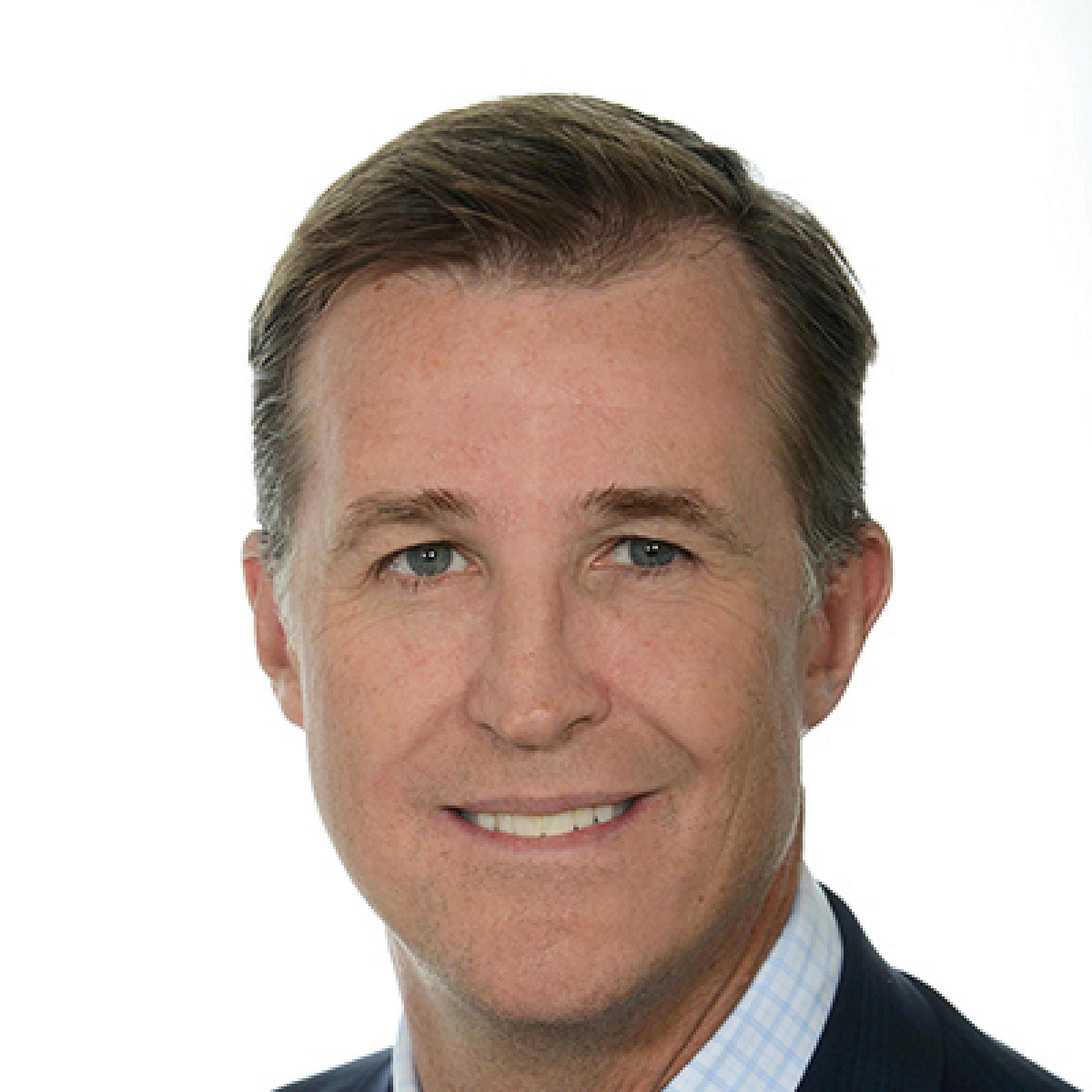
Benjamin S. Brooke, MD, PhD, FACS
Title: Professor & Chief, Vascular Surgery | Section Chief, Health Services Research Section, Surgery | Director, Utah Intervention Quality and Implementation Research (U-INQUIRE) Group | Co-Director, Surgical Population Analytic Research Core (SPARC) | Adjunct Associate Professor, Population Health Sciences & Biomedical Informatics
Email: benjamin.brooke@hsc.utah.edu
I am an Associate Professor of Surgery, the Chief of Vascular Surgery, and an investigator in the VA SLC Specialty Care Center of Innovation and IDEAS 3.0 COIN. I lead the surgical health services research efforts at both the University of Utah’s Department of Surgery and the VA Salt Lake City Health Care System, and I am the Chief of the Health Services Research Section and director of the Utah Intervention Quality and Implementation Research (U-INQUIRE) group. My research is focused on improving care coordination and patient safety during transitions of surgical care, which has been funded by grants from PCORI, NIH, VHA, and others.
As a VPCAT graduate, I know full well how valuable the program can be for early career faculty. My success is due in part to the knowledge, mentorship, and training I received while in the program. I am honored to now serve as a VPCAT mentor who will take every opportunity to support your successfully transition to independence.
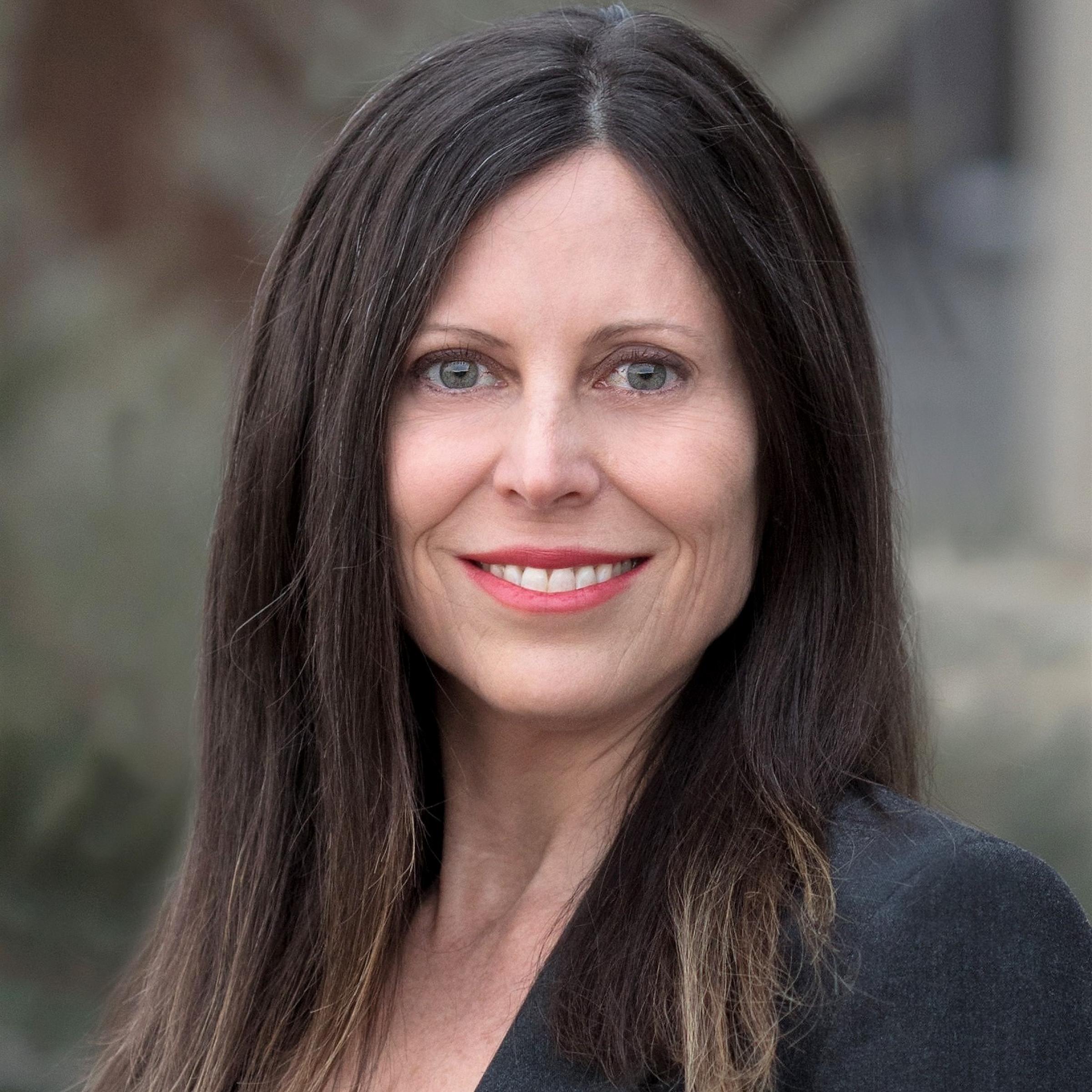
Mollie R. Cummins, PhD, RN, FAAN, FACMI
Title: Professor, Nursing | Jon M. Huntsman Presidential Chair | Adjunct Professor, Biomedical Informatics
Email: mollie.cummins@utah.edu
I’m a biomedical informaticist and a nurse. My program of research is interdisciplinary and encompasses data science, exposure health informatics, and digital health. Over the years, I’ve worked with several trainees from a variety of disciplines, including students and junior faculty from nursing, biomedical informatics, medicine, and pharmacy. All these individuals have contributed their unique perspectives and strengths to our work. It is deeply gratifying to see trainees advance in their careers and go on to contribute in truly meaningful ways. I wanted to serve as a VPCAT mentor because I’ve seen the difference it has made in developing our junior faculty. I value the program and I want to contribute to its success. I know that I will learn a great deal in the process.
My mentoring approach grows from the mentee, their goals, priorities, strengths, and challenges. I don’t believe any single mentor can meet every need and so I strive to serve as a “home base,” offering guidance and expertise from my perspective but also calling attention to areas where the expertise of others is important and connecting mentees to the right resources. I tend to be very invested and sometimes find myself working with individuals far beyond departure from the university.
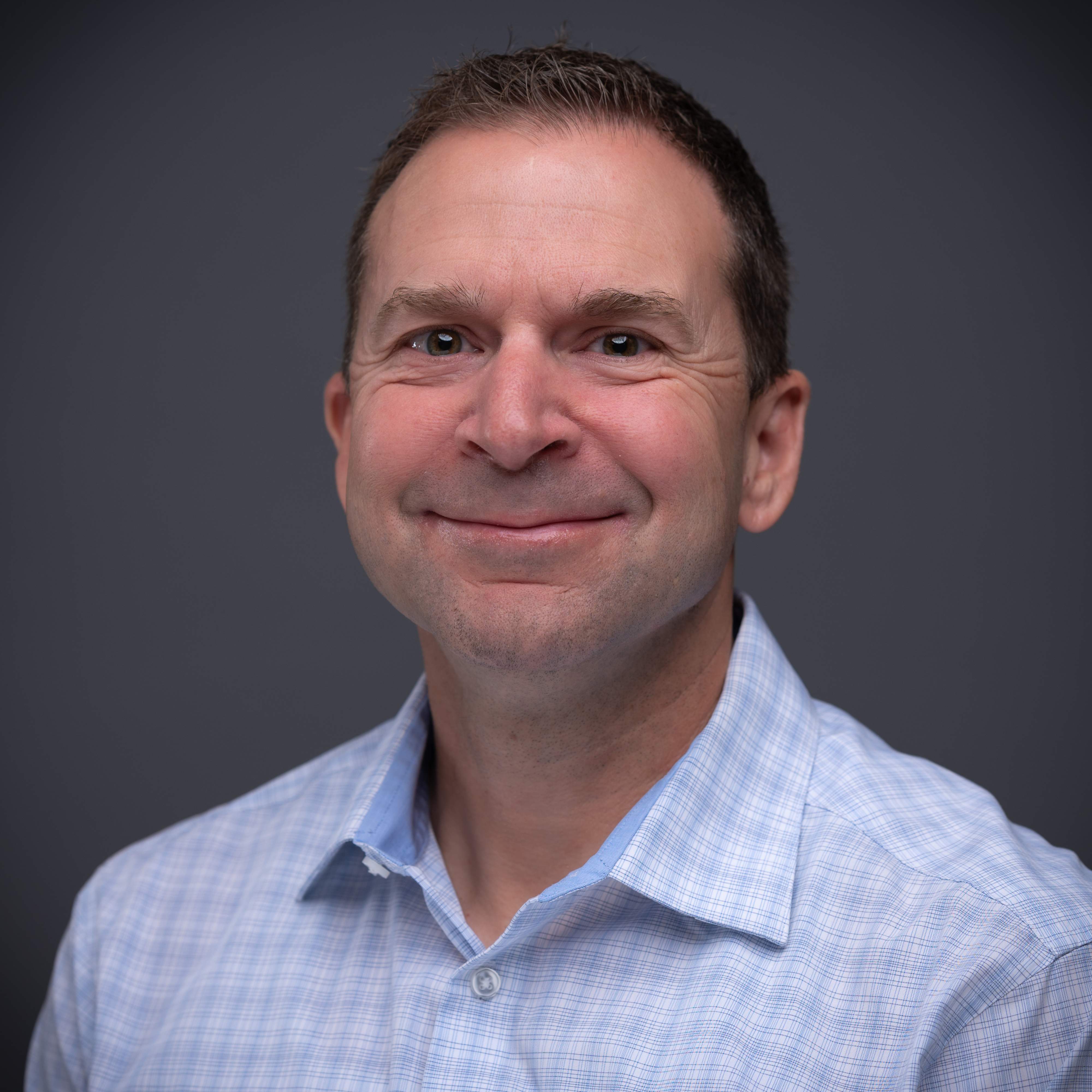
Micah Drummond, PhD
Title: Professor, Physical Therapy & Athletic Training | Adjunct Professor, Department of Nutrition & Integrative Physiology | Adjunct Professor, Department of Pathology | Adjunct Professor, Internal Medicine
Email: micah.drummond@hsc.utah.edu
I am a Professor in the Physical Therapy and Athletic Training program and have adjunct appointments in Nutrition and Integrative Physiology, in the Department of Pathology, and in Internal Medicine. I have had over 15 years of NIH research funding focused on aging and rehabilitation research from bench science to clinical research. I am also the Director of Graduate Studies in the Rehabilitation Science PhD program where I have enjoyed navigating domestic and international graduate students through the program and providing career advice as they venture to their next stage in life.
One of the major reasons I continue to pursue academic research is to participate in the successes of trainees with little to no return value to myself. My career was successfully shaped by research mentors willing to invest significant time in my professional and personal life. I similarly was a KL2 scholar at University of Texas Medical Branch where I was able to leverage my training and guided by mentors to acquire a K-award and later a R-award. Because of the impact training programs and mentors have had on my life, I find it a privilege to be placed into a position where I can return the favor and impact the careers of young scientists. I have invested significant time into research training at many critical junctures of early career and young scientists. I also have partnered with intramurally and extramurally-supported training programs to mentor undergraduate and post baccalaureate trainees in biomedical research (SPUR, NARI, RUUTE, BRIDGE-UP), pre- and postdoctoral fellows (T32) trainees as well as programs to foster the development of junior faculty such as institutional career development programs (VPCAT, K12), and mid-career training programs (REACH scholars). Trainees under my mentorship have presented research at local and national meetings, published papers, received research acknowledgement and fellowship awards (F, K-awards), and have had the opportunity to write, submit and receive competitive research grants. Former trainees have moved onto medical professions, pre- and -postdoctoral fellowships, academic positions, and industry.
Lee Ellington, PhD
Title: Professor, Nursing | Robert S. and Beth M. Carter Endowed Chair | Director, Family Caregiver Collaborative | Huntsman Cancer Institute Investigator
Email: lee.ellington@nurs.utah.edu
Mentoring is a core value of my academic career, as well as a passion. It is exciting to collaborate with the VPCAT Scholars program and to get to know and support the careers of such promising junior faculty. I have served as a Co-Director for our T32 program, have mentored junior faculty on career awards, and have many long-term collegial relationships with former mentees. As a mentor, it is my goal to develop a deep understanding of all mentees—their goals, their motivations, and learning what challenges they face. I value synergistically creating a mentoring environment where there is a place for reflection, creation, stretching to the limits, and learning from mistakes. I believe there are times in mentoring relationships to be serious and times to laugh -- all the while steadfastly focused on goal obtainment. In addition to supporting quality science, I highly value helping mentees make connections with other mentors, potential collaborators, and to gain confidence in building and thriving in their emerging professional network.
I am a Professor at the College of Nursing, a clinical psychologist, and the founding director of the Family Caregiving Collaborative. My program of research is focused on supporting the needs and wellbeing of family caregivers with a particular emphasis on effective communication with the healthcare team. I have over 20 years of continuous funding as a PI from federal and national foundations, including NCI, NINR, NIA, and the American Cancer Society.

Adam L. Hersh, MD, PhD
Title: Professor, Pediatrics | Andrew Pavia Endowed Chair for Pediatric Infectious Diseases | Co-Founder and Board Member, Sharing Antimicrobial Reports for Pediatric Stewardship (SHARPS)
Email: adam.hersh@hsc.utah.edu
I am excited to serve in the VPCAT program as a mentor. I have extensive mentorship experience with clinical and research fellows and junior faculty. My approach to mentorship includes emphasizing development of technical skills for success in academia along with helping to nudge mentees towards high value opportunities that involve collaboration and network building.
My clinical interests include all aspects of the diagnosis and treatment of infectious diseases among patients ranging from infants to young adults. My research interests include health services research and clinical epidemiology. My work focuses on understanding variability in the use of antimicrobials in pediatrics and developing interventions to improve the quality and safety of antimicrobial prescribing for children.
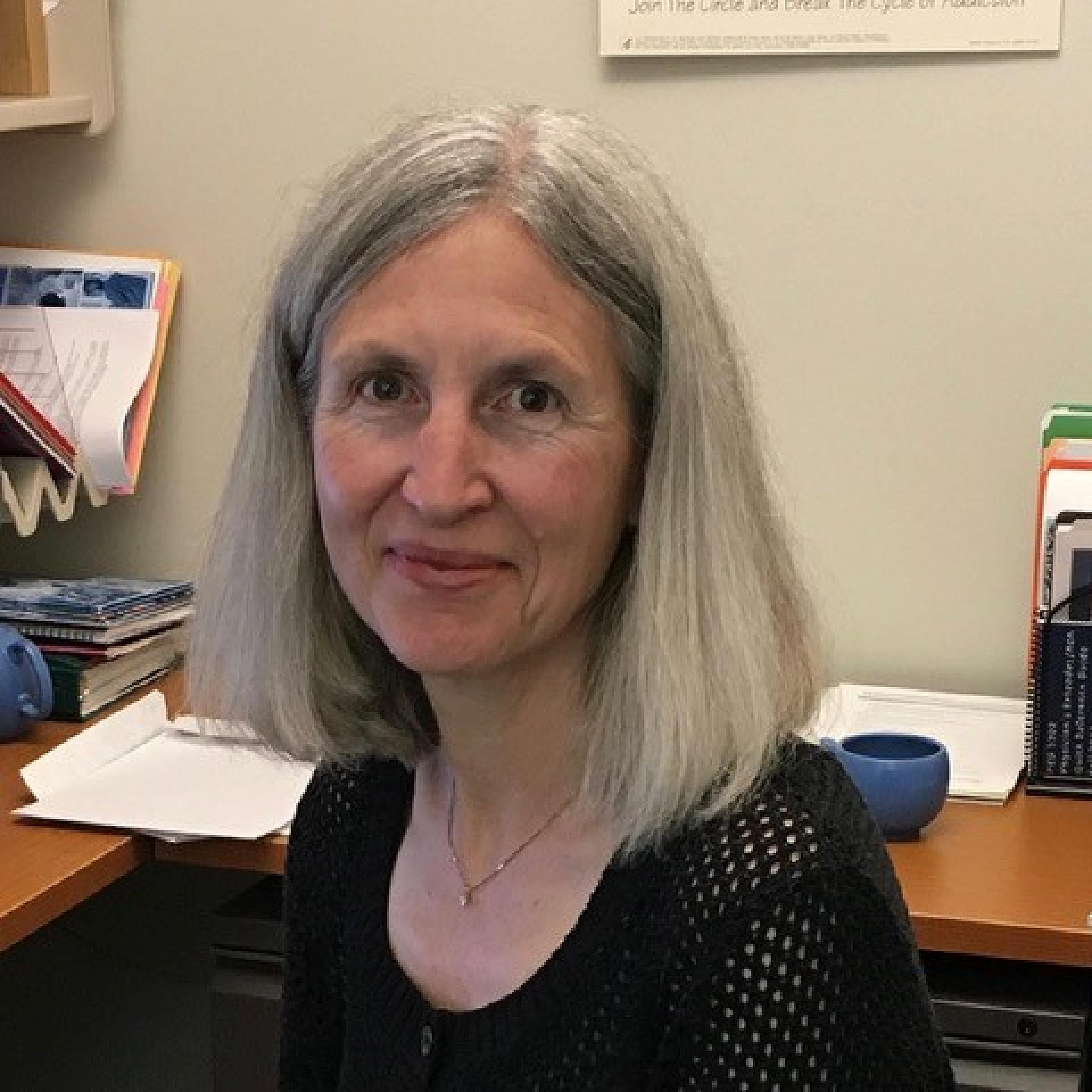
Heather T. Keenan, MDCM, PhD
Title: Professor, Pediatric Critical Care | Vice Chair for Research, Department of Pediatrics
Email: heather.keenan@hsc.utah.edu
I am a pediatric intensivist and epidemiologist. I have mentored multiple junior faculty who are writing for their first extramural funding. I mentor three current K-awardees.
I enjoy mentoring for VPCAT because the scholars are smart and interesting people who are very motivated to do excellent work. This makes working with them a pleasure. I also enjoy the variety of disciplines represented by the VPCAT scholars.
I try to help mentees define their goals and establish a plan for achieving them.
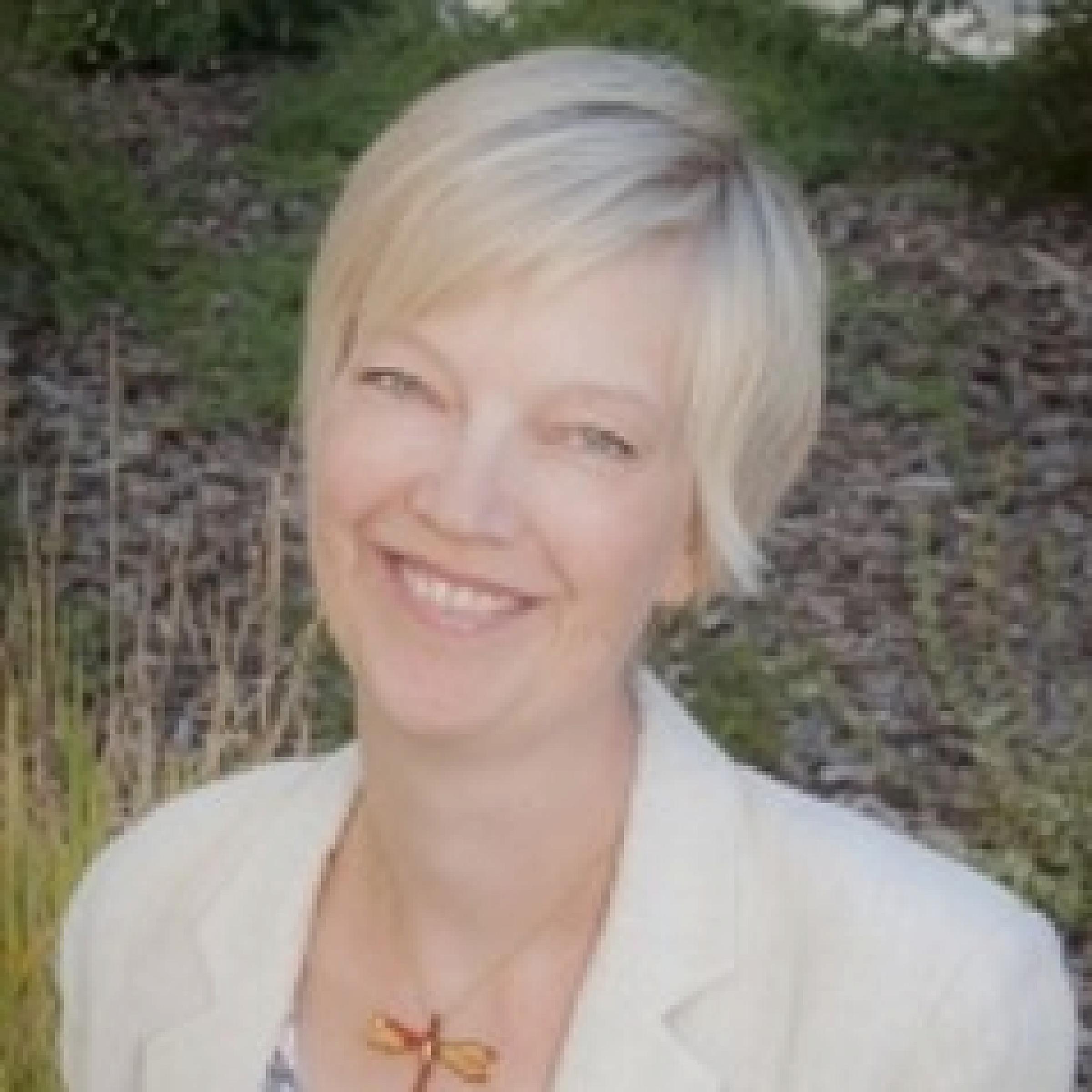
Jennifer J. Majersik, MD, MS
Title: Professor & Vice Chair of Faculty Development, Neurology | Chief, Division of Vascular Neurology | Director, UUH Stroke Center | Co-Director, Utah Clinical and Translational Science Institute (CTSI) | Associate Dean, Clinical and Translational Science
Email: jennifer.majersik@hsc.utah.edu
I am a VPCAT mentor because one of my passions is to help junior faculty thrive. I mentor across career levels, which includes VPCAT, fellows and junior faculty within 2 neurology trials networks (StrokeNet & NeuroNEXT), and my own neurology residents and junior stroke faculty. For fun, I mentor elementary school children in writing and science fair project development.
My mentoring philosophy is to individualize the relationship based on the mentee needs, to be an active listener, to help the mentee find their path, and be the best they can be. I will provide science mentorship for content areas in which I’m an expert and can assist in being an outside ear in areas I’m not. Mostly I provide career development guidance, helping faculty to determine their passions, understand the needs of those around them, learn the opportunities, and find a path through these sometimes competing demands. I believe in respecting all our time, thus I pre-schedule quarterly 2-month meetings requesting mentees bring an agenda. My content areas include stroke causes, treatment, & recovery; genetic epidemiology; systems of care; and clinical trials.
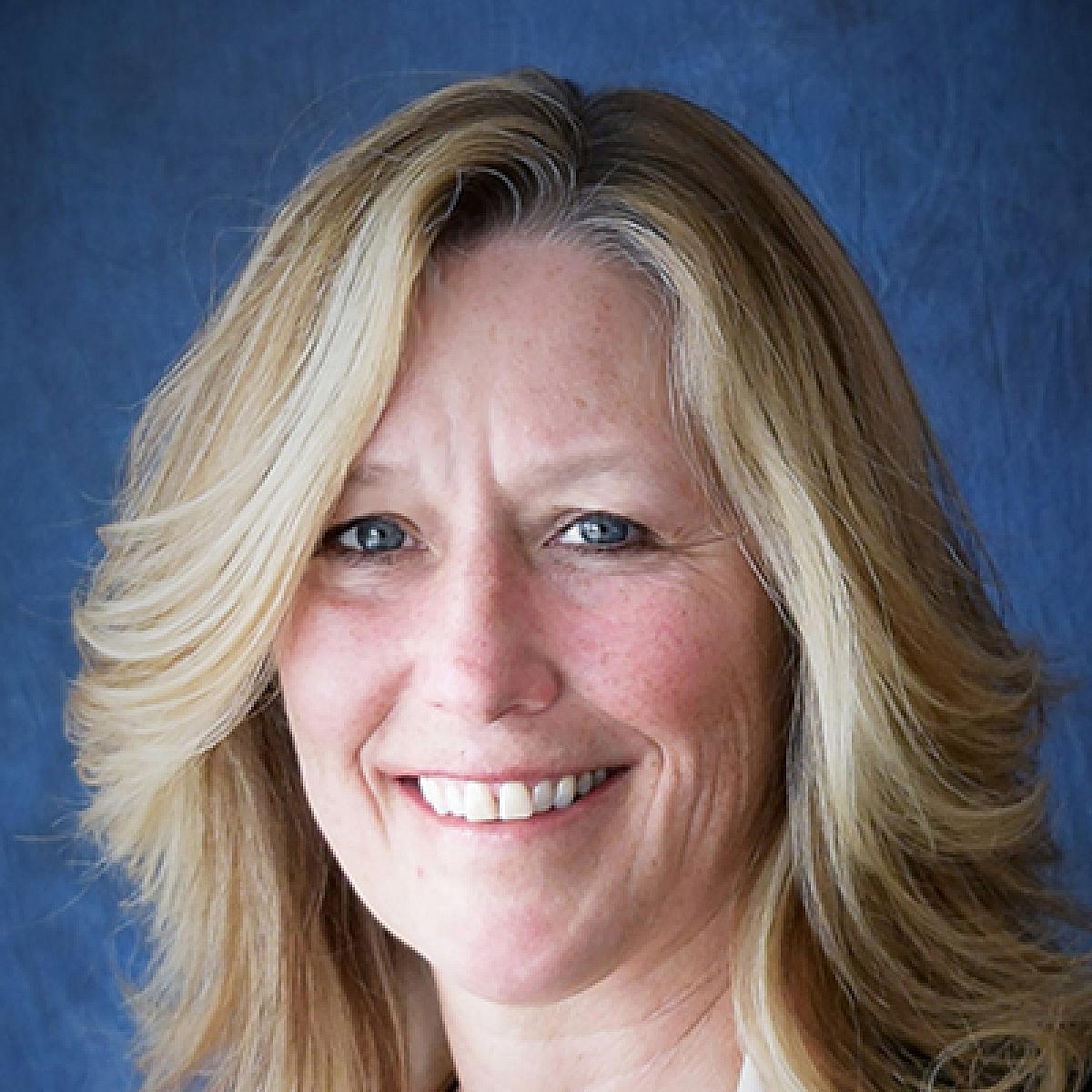
Maureen A. Murtaugh, PhD
Title: Professor, Internal Medicine | MPI, K12 Mentored Career Development Scholar Program, Utah Clinical and Translational Science Institute (CTSI) | Ombud, Spencer Fox Eccles School of Medicine | Adjunct Professor, Population Health Sciences & Nutrition and Integrative Physiology
Email: maureen.murtaugh@hsc.utah.edu
I am a nutritional epidemiologist with my primary academic home in the Division of Epidemiology, Department of Medicine. My work centers around the relationships of food consumption (diet) and chronic diseases. My lack of specific disease focus reflects my curiosity about similar and different chronic disease processes.
Many of my roles involve mentoring and teaching. I am co-director of the Utah CTSI KL2 (internal career development) program. I am one of the leaders of the R01 writing groups which help junior investigators earn their first R01 level grant. Mentoring comes in many sizes and shapes. I like to think it can be personalized to the specific situation and time.

Julia E. Szymczak, PhD
Title: Associate Professor, Internal Medicine | Co-Director, Utah Quality Advancement Laboratory (UQuAL) | Ambassador, Integrating Medicine and Policy to Achieve Healthcare Transformation (IMPACT) HSR Program
Email: julia.szymczak@hsc.utah.edu
Trained as a sociologist, the foundational premise of my work is that healthcare social dynamics that characterize interactions in complex clinical settings. In my research I draw on sociology, implementation science, and safety science to generate knowledge about the social mechanisms that shape healthcare delivery. I then use that knowledge to design interventions to improve care.
Over the past decade my research has focused on the social dynamics that shape the implementation of evidence-based interventions in the field of healthcare epidemiology. My current research aims to reduce the harm to patients and populations from antibiotic resistant bacteria and has been continuously supported by extramural funding from the Agency for Healthcare Research and Quality, Patient Centered Outcomes Research Institute, and the U.S. Centers for Disease Control and Prevention.
Mentoring is a professional activity I take seriously and greatly enjoy. As a sociologist in academic medicine I have a unique viewpoint as an insider-outsider that I share with my mentees as they navigate the hidden curriculum of academia. I have mentored a diverse group of doctoral students and junior faculty to successfully obtain extramural fellowship and career development awards. My mentoring style blends curiosity about my mentee’s interests, an expectation of scholarly excellence, pragmatism about navigating academia’s opportunity structure, and a focus on human-centered guidance. I am very excited to contribute to the VPCAT program and support the next generation of scholars at the U to achieve their career goals.

Alexandra L. Terrill, PhD, MS
Title: Associate Professor, Occupational & Recreational Therapies | Associate Professor, Physical Medicine & Rehabilitation | Co-Director, Center for Quality of Life after Stroke
Email: alex.terrill@hsc.utah.edu
I am a licensed clinical psychologist specializing in rehabilitation. My research focuses on promoting mental health and quality of life for individuals with stroke and their care partners. I have expertise in intervention development and clinical trials, using community-engaged and mixed methods approaches to design and evaluate interventions that improve rehabilitation outcomes. As an Associate Professor with joint appointments in the Departments of Occupational & Recreational Therapies and Physical Medicine & Rehabilitation and Co-Director of the Center for Quality of Life After Stroke, I foster interdisciplinary collaborations across the College of Health and School of Medicine to develop innovative rehabilitation programs, including interventions that improve access to care for individuals and families in the rural and frontier Mountain West.
Mentorship is one of the most rewarding aspects of my academic career. I strive to create a collaborative environment that encourages curiosity, critical thinking, and professional growth. I approach mentoring as a partnership, working with mentees to develop research trajectories that align with their interests while balancing scientific rigor, feasibility, and long-term career goals. My mentoring style is guided by the concept of the "just-right challenge": meeting mentees where they are, encouraging steady growth, and building confidence through progressive success. As a VPCAT graduate (2015–2016), I experienced firsthand the value of structured mentorship in launching an independent research career, and I am excited to support the next generation of VPCAT scholars.
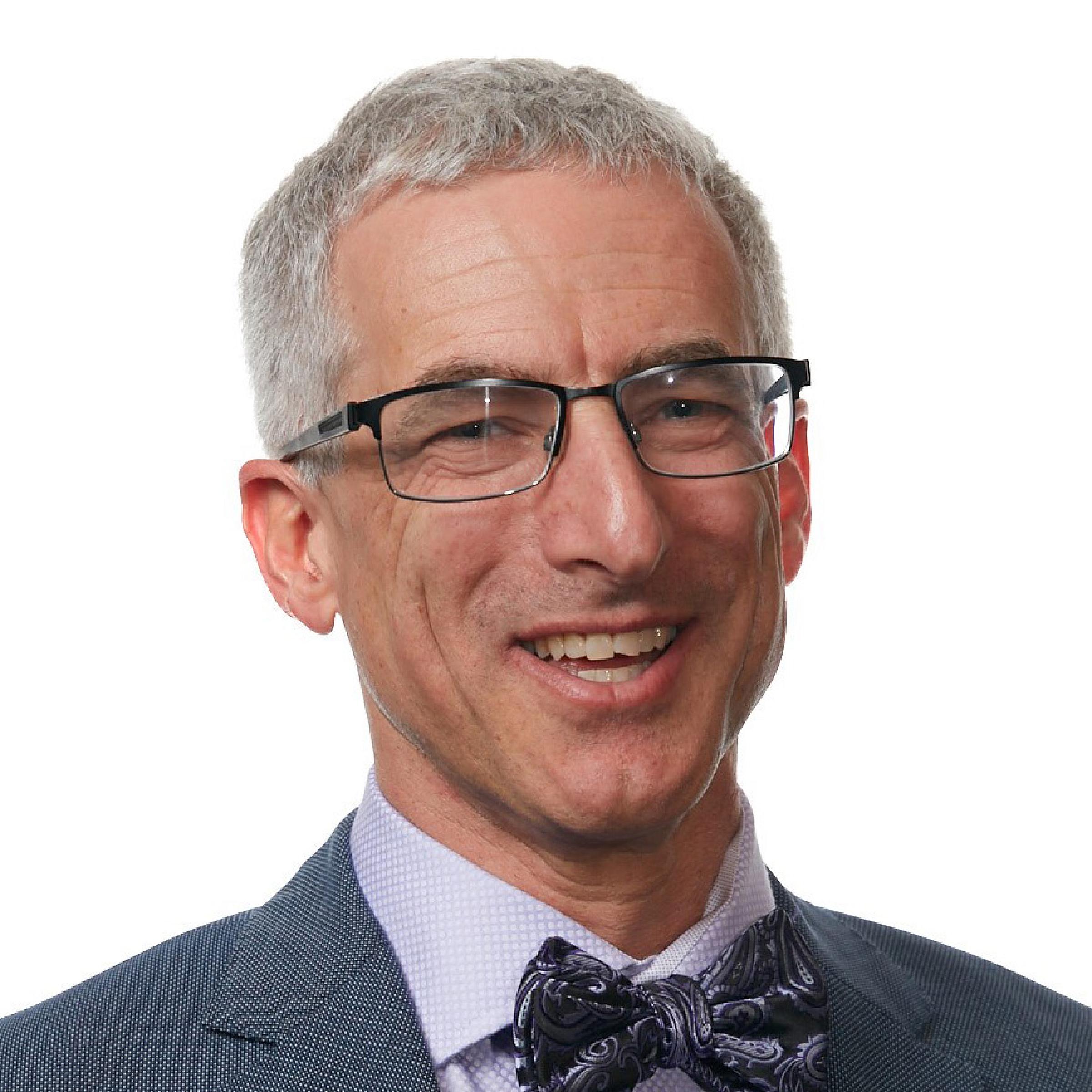
David K. Turok, MD, MPH, FACOG
Title: Professor, Obstetrics & Gynecology | Chief, Division of Family Planning | Director, ASCENT Center for Reproductive Health | Program Director, ELEVATE Training Integration Core
Email: david.turok@hsc.utah.edu
My career focus started in clinical care and, in this past decade, has transitioned to research, with research mentoring occupying a critical portion of my work. I have mentored researchers from pre-doctoral students to junior faculty, including several junior faculty members executing the goals of NIH career development awards. My mentoring efforts have received national recognition from the Society of Family Planning, the American College of Obstetricians and Gynecologists, and Medical Students for Choice.
Previously, an NICHD K24 award supported the broad range of my research mentoring efforts. At the University of Utah, I have served as the Co-Director of the University of Utah CTSI KL2 Program (2015-2020). I have spent significant effort mentoring aspiring junior faculty researchers in their K to R transitions, including creating and supporting R01 writing groups for early investigators submitting their first R01 at the University and a similar national program for the Society of Family Planning.
I lead the multi-disciplinary family planning research program at the University of Utah’s ASCENT Center for Reproductive Health. In that role, I led several multi-site randomized controlled trials and translational projects that coalesced our accumulated knowledge on improving contraceptive access. These programs have provided nearly 28,000 people in Utah with any method of contraception without cost. It is my pleasure to serve as a VPCAT mentor and play a positive role in aiding aspiring researchers lead their teams to novel and impactful discoveries.
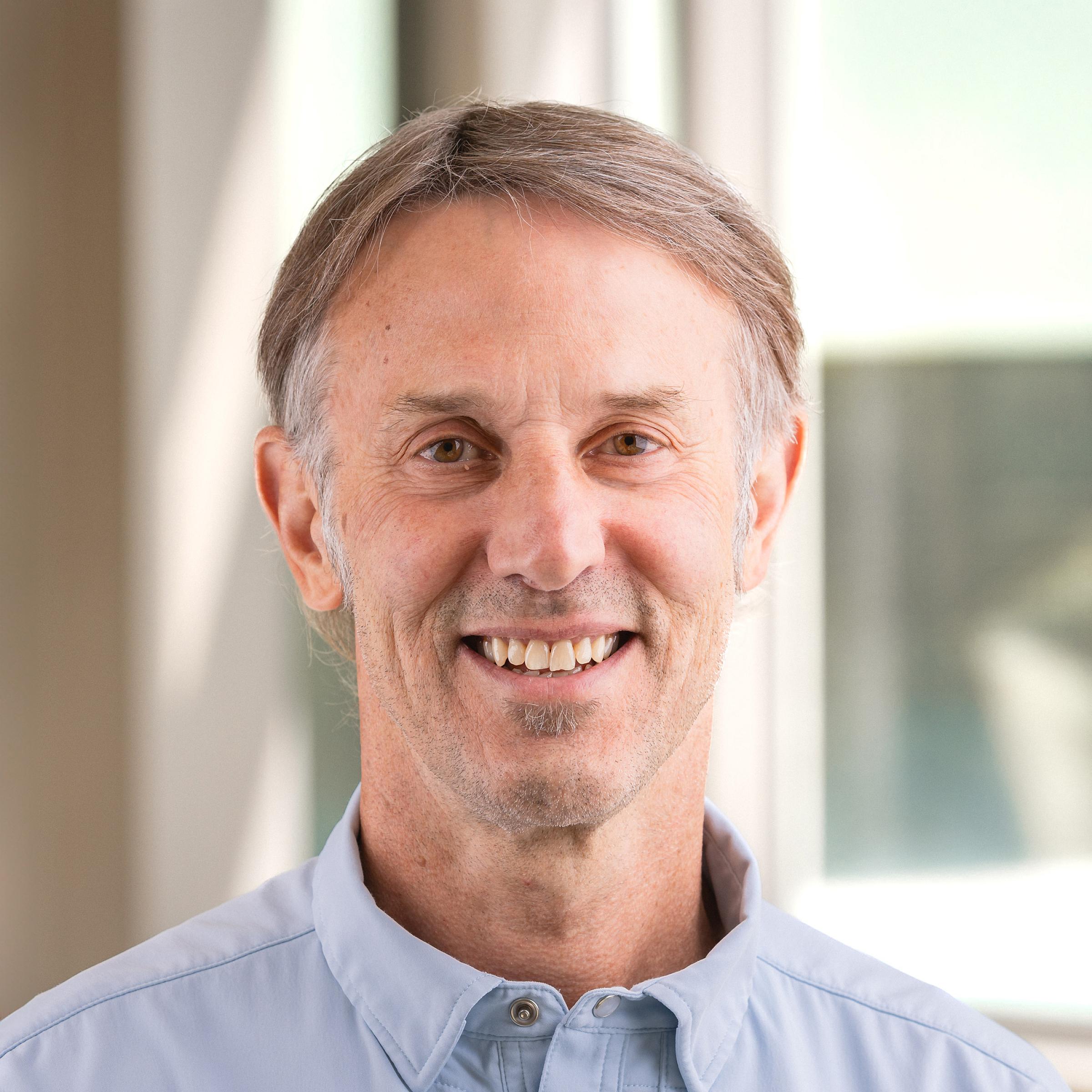
David W. Wetter, PhD, MS
Title: Jon M. and Karen Huntsman Presidential Professor | Director, Center for Health Outcomes and Population Equity (HOPE) | Senior Director of Cancer Health Implementation at the Huntsman Cancer Institute | Director, Community and Stakeholder Engagement, Utah Clinical and Translational Science Institute (CTSI) | Interim Chief, Division of Health System Innovation & Research
Email: david.wetter@hci.utah.edu
Mentoring has been a core value and component in my academic career. I am truly excited to collaborate with VPCAT scholars to further their work and careers. I have had the honor to serve as the primary mentor for ~35 postdoctoral scholars, many of whom are now in major leadership roles at academic institutions across the country. In addition, I have served as the primary mentor for 13 funded, NIH K/American Cancer Society career development awards. I have received several mentoring awards including the receipt of the Robert M. Chamberlain Distinguished Mentor Award and the inaugural Leading Mentor in Cancer Prevention Award while at the University of Texas MD Anderson Cancer Center.
Together, with my unique and strong collaborators, we perform research to eliminate differences in access related to cancer, chronic disease, and infectious disease through translational research. Our research efforts specifically focus on theoretical models of health risk behaviors, the development and evaluation of theoretically-based interventions, and translational research to implement and disseminate those interventions in real-world settings. We have a major emphasis on low socioeconomic status, rural/frontier, and differen groups. I have an extensive NIH-funded grant portfolio of over 25 years and over 250 peer-reviewed publications.
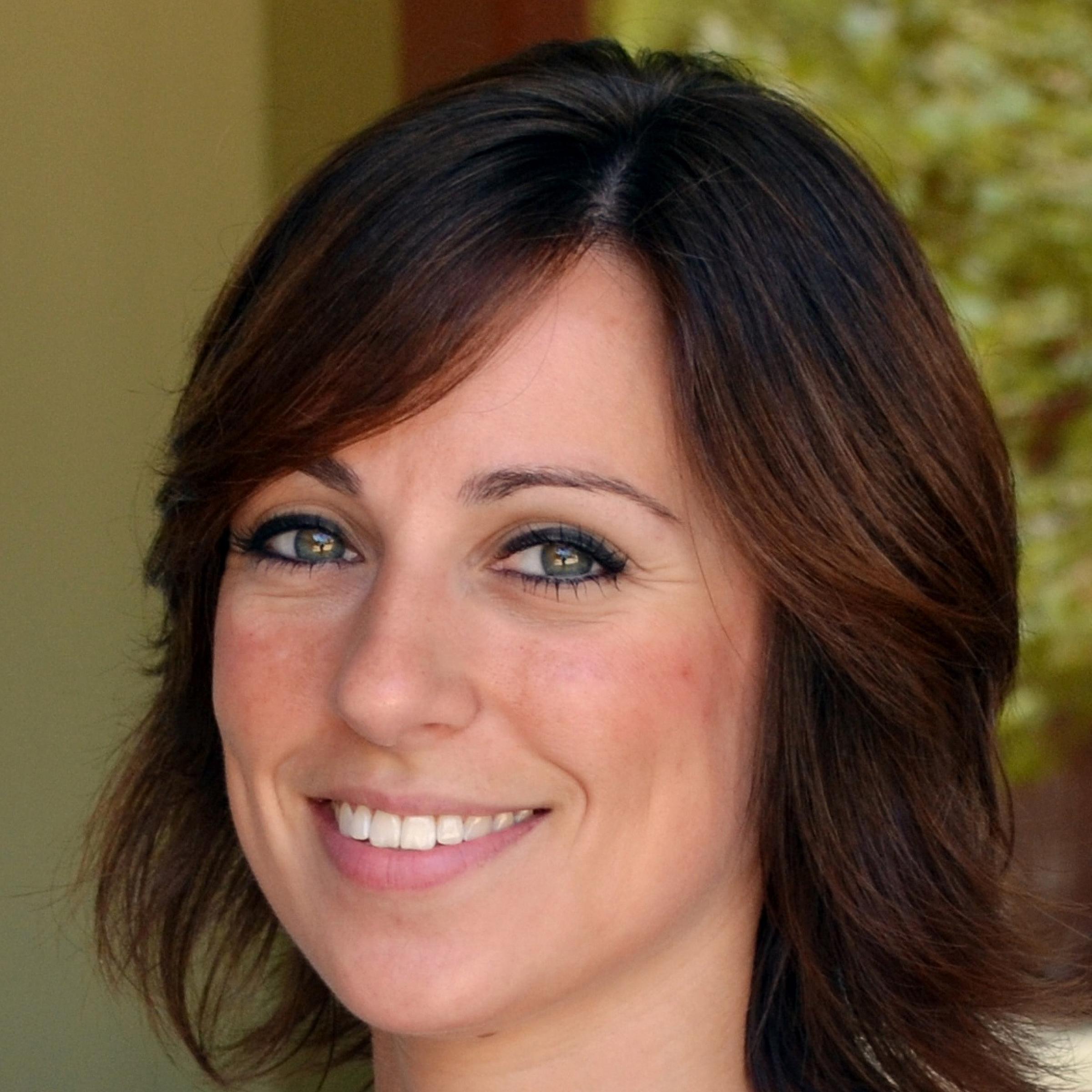
Jaclyn M. Winter, PhD
Title: Associate Professor, Pharmacology and Toxicology | Co-Director, T32 Program for Interdisciplinary Training in Chemical Biology | Scientific Advisory Board, Immunology, Inflammation and Infectious Diseases Initiative
Email: jaclyn.winter@utah.edu
Born and raised in Buffalo, I became a faculty member at the University of Utah in 2015 after receiving my PhD from the University of California San Diego and postdoctoral training at the University of California, Los Angeles. Research in my group is focused on the discovery and development of new antibiotic agents from halophilic microorganisms isolated from Great Salt Lake. Additionally, as wastewater from various treatment facilities ends up in Great Salt Lake, we are also examining how human pathogens obtain antibiotic resistance genes from natural reservoirs and study the ongoing evolution of the “resistome.” Our work is currently funded through the NIH, DoD, Margolis Foundation, and the Moore Foundation and I’m looking forward to helping mentees successfully secure funding for their own research projects and initiatives.
As a previous VPCAT mentee, I want to make sure everyone is provided the same mentorship, encouragement, and motivation that I experienced. I see my role as a mentor as an opportunity to inspire and empower mentees to discover their strengths, navigate challenges, and reach their full potential. It requires active listening to understand each mentee’s goals and concerns, providing valuable advice, and offering constructive feedback to aid in their development. I also believe that mentoring is a two-way street and I’m excited to learn and grow with my mentees.