
Center for Medical Innovation
Dr. Julie Hansen Fellowship Program
The Dr. Julie Hansen Fellowship program at the Center for Medical Innovation (CMI) is designed for students at the University of Utah to directly apply their skills to projects under development in CMI’s Med Tech Venture Studio and prepare for a career in the medical technologies (Med Tech) industry.
Students work in direct collaboration with CMI’s full-time staff to support the ongoing research and development of new medical technologies as they are de-risked and prepared for competitive entry into the healthcare market. Dr. Julie Hansen Fellows will be required to work 20 hours per week on-site at CMI’s offices and design lab in downtown Salt Lake City.
Over the course of their year-long program, Hansen Fellows will be assigned to a variety of different projects relevant to their skillset and potentially collaborate with other Hansen Fellows on the same project(s). Focus areas include:
- Market Research: In-depth market assessments of potential new technologies and reimbursement strategies
- Engineering: Prototyping & Design of new medical devices in a defined Quality Management System
- Regulatory Affairs: Engaging with industry-educational programming and or relevant governing bodies (e.g. FDA)
The fellowship program will run three consecutive semesters, with students choosing to either start or end during the summer semester. For example, a student choosing to begin their fellowship at the beginning of the Summer 2025 semester will complete their fellowship at the conclusion of the Spring 2026 semester. A student choosing to start in Fall of 2025 will complete their fellowship at the conclusion of the summer 2026 semester.

Candidate Requirements
Must be an undergraduate or graduate student (Masters or PhD*) with at least one full (12-month) calendar year remaining in their academic programming at the University of Utah. Relevant academic programs may include:
- Masters of Public Health (MPH)
- Masters of Healthcare Administration (MHA)
- Business Administration (Bachelors or Masters)
- Mechanical, Electrical or Biomedical Engineering (Bachelors, Masters, or PhD*)
20 hours per week on-site at the CMI offices in downtown Salt Lake City
Familiarity with device development (any industry) or previous experience in healthcare preferred (but not required).
*Note: Some PhD students may be ineligible for tuition or the living stipend due to existing funding structures within their department.
Hansen Fellowship Program Benefits
- Gain professional, direct experience in the med tech development industry
- Ongoing projects incorporate current best-practices and academic trends
- Two semesters (Fall & Spring) of full tuition scholarship for student's academic program, in addition to monthly living stipend
- Flexibility: Students select their 12-month program cycle to best adapt their class schedules (Summer or Fall start)
HOW TO APPLY
Applications are now being accepted for the next cohort of Hansen Fellows.
To be considered for the 2025-2026 Dr. Julie Hansen Fellowship, applicants should submit via email the following as PDF attachments to Jenny Flint (jenny.flint@hsc.utah.edu).
- cover letter specifying their preferred focus area (Market Research, Engineering, or Regulatory)
- up-to-date resume with contact information
The priority application deadline is Friday February 28, 2025
Meet our 2024-2025 Hansen Fellows
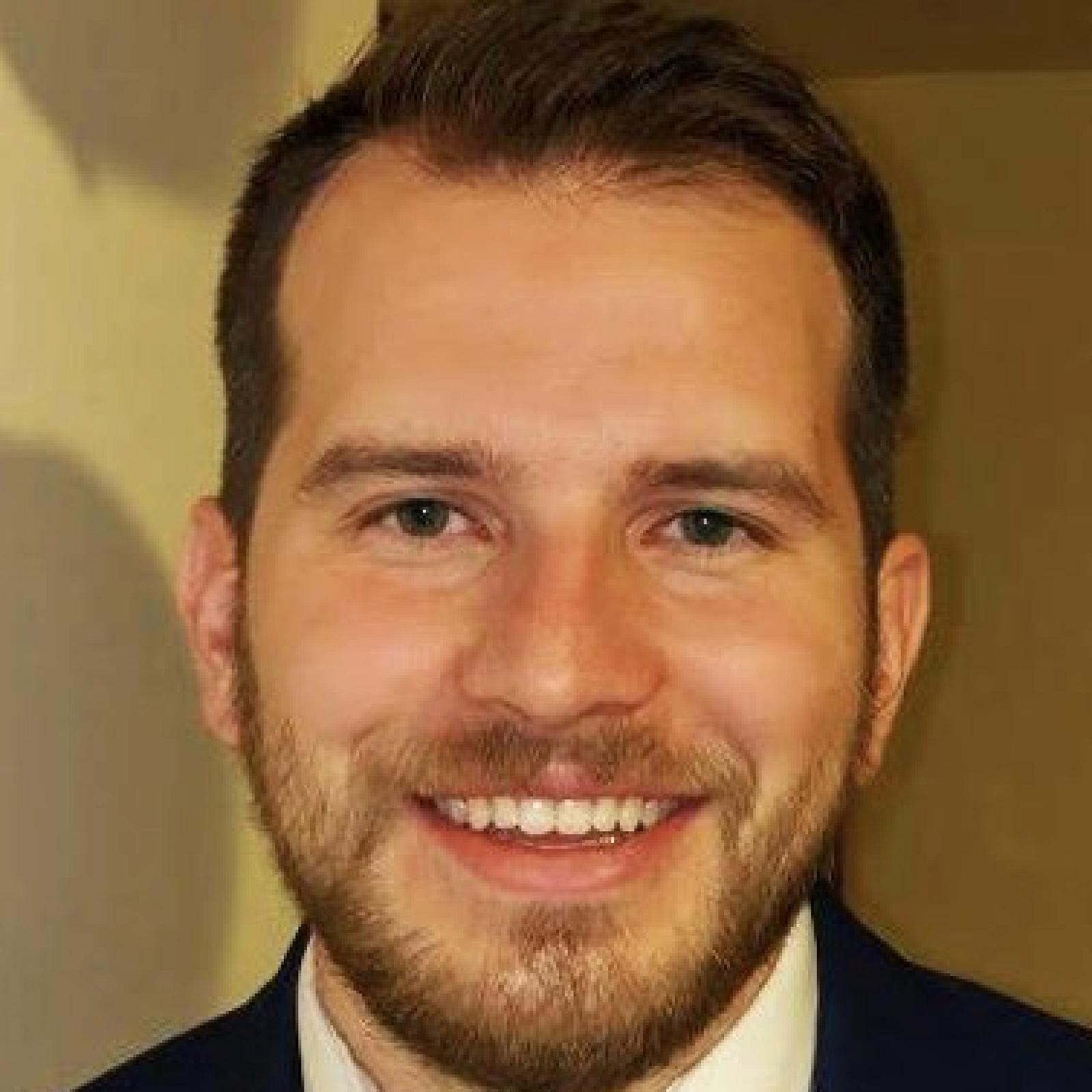
A native of Salt Lake City, William is a Hansen Engineering Fellow at the CMI. After several years working as an engineer at a medical device startup, he brings valuable technical expertise as well as significant early-stage development experience. He holds both BS and MS degrees in Mechanical Engineering from the University of Utah, with an emphasis in biomechanics. Currently William is working towards a PhD in Mechanical Engineering, where he is developing techniques to study collagen damage in cerebral blood vessels. Outside of the lab, William enjoys reading, running, and exploring Salt Lake to find the next best place to eat.
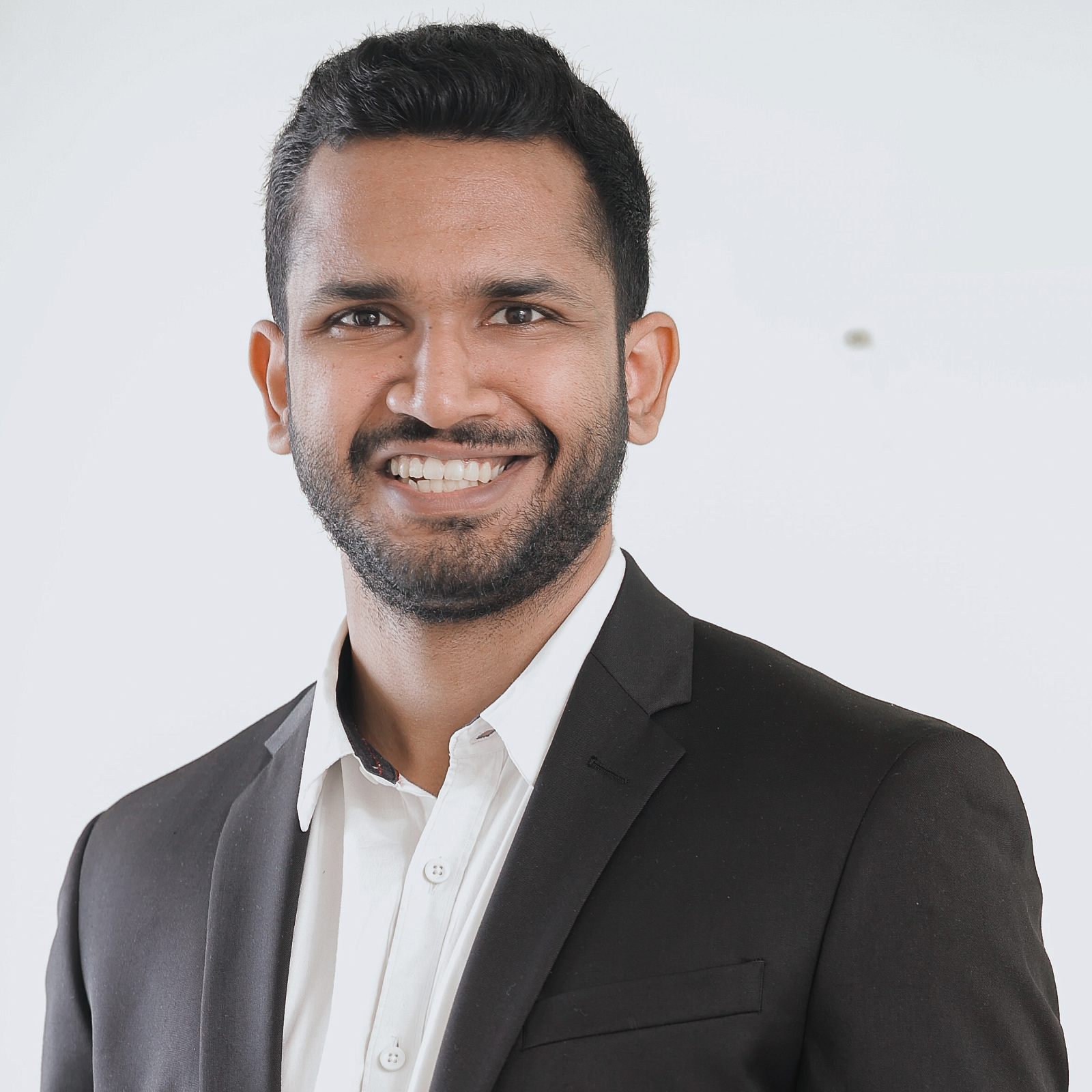
Gokul is a Year 2 MBA student at the David Eccles School of Business who comes with a background in Biotech and surgical medical devices.
He graduated with a Bachelor of Arts in Economics from the University of Leeds, and enjoys swimming.
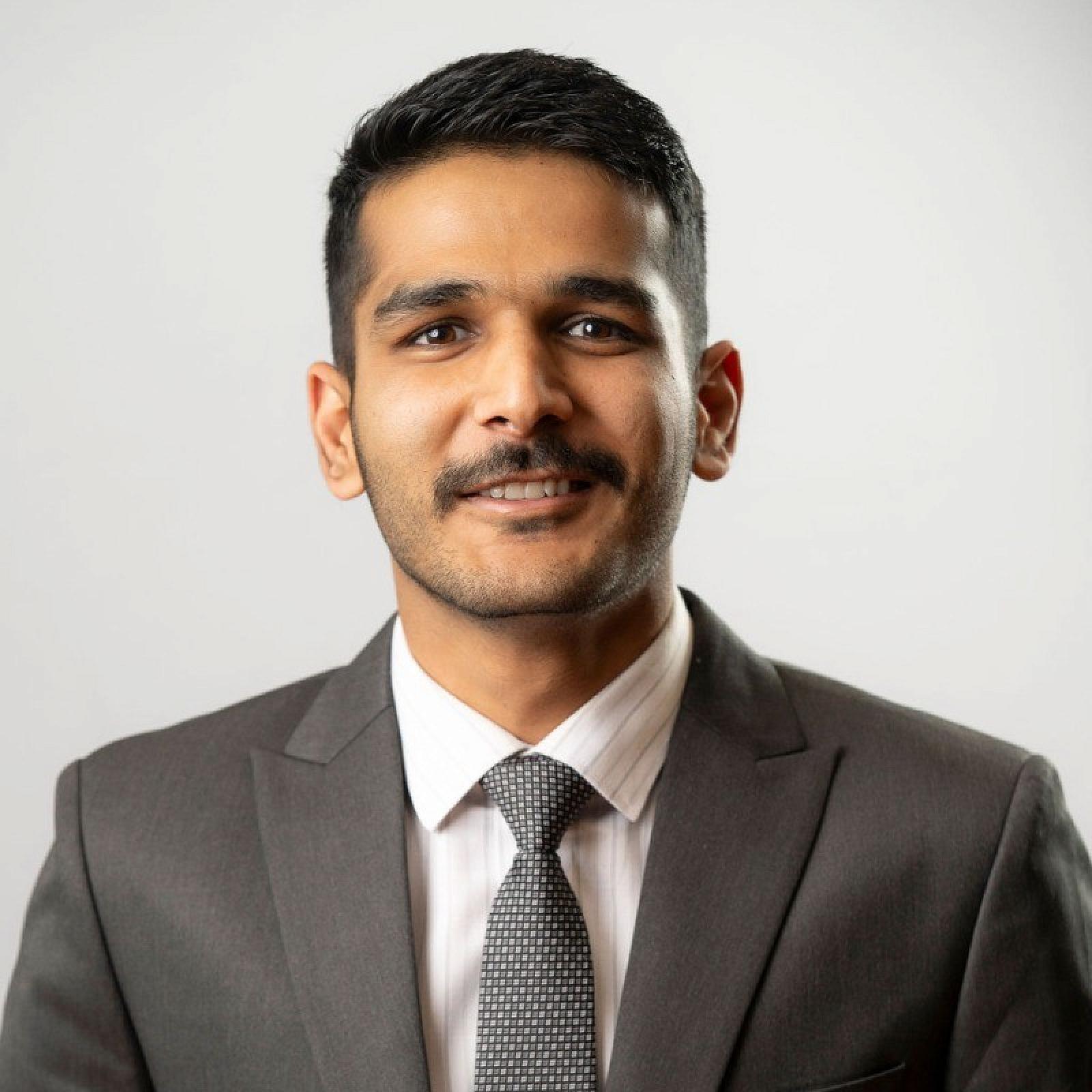
Yash is a Dr. Julie Hansen Fellow at the Center for Medical Innovation, boasting a strong background in finance and process optimization. With over four and a half years of professional experience at notable companies such as Amazon and Goldman Sachs, Yash specializes in strategic business analysis and decision-making, crucial in guiding key business strategies. Currently advancing his education with an MBA and an MS in Finance at the University of Utah, Yash leverages his skills to support innovative projects and strategic initiatives within the medical field. Dedicated to merging finance with medical innovation, Yash offers key insights and strategies that propel advancements at the Center for Medical Innovation. He also participated in the Bench to Bedside program in 2024. Outside the office, Yash enjoys soccer, cooking, traveling, watching movies, and spending time with friends and family.