
GEMS T32
GEMS T32
The Cancer Genetics, Epigenetics, Models, & Signaling (GEMS T32) Training Program is a robust two-year predoctoral training program that leverages existing Huntsman Cancer Institute research and infrastructure strengths in cancer genetics and epigenetics, cancer modeling, and cancer cell signaling. The program integrates trainee interactions with cancer patients, cancer clinicians, and our Disease Centers to provide broad multidisciplinary training in cancer biology.
Program Goal
Prepare young scientists who are broadly trained in cancer biology and well-versed in multidisciplinary research for exciting, impactful, and rewarding opportunities in cancer-focused post-doctoral fellowships or other cancer-related, research-intensive careers.
Focus Areas
- Cancer genetics & epigenetics
- Models to study cancer
- Cell signaling
For more information, contact the principal investigators or Kelly Chanthapanya, CRTEC program coordinator, at Kelly.Chanthapanya@hci.utah.edu.
Accepts
Predoctoral Only
Applications Due
July (annually)
Principal Investigators
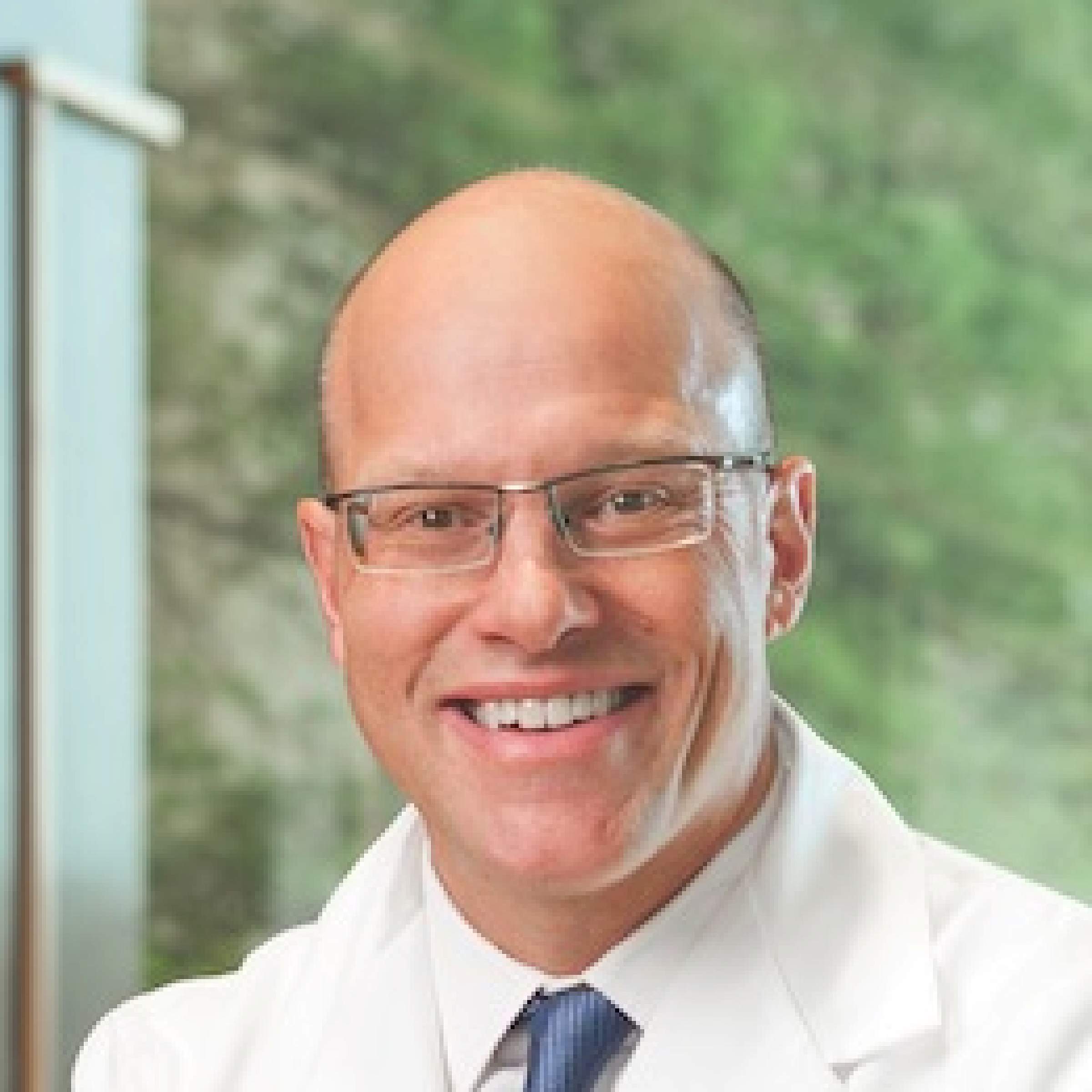
Donald E. Ayer, PhD
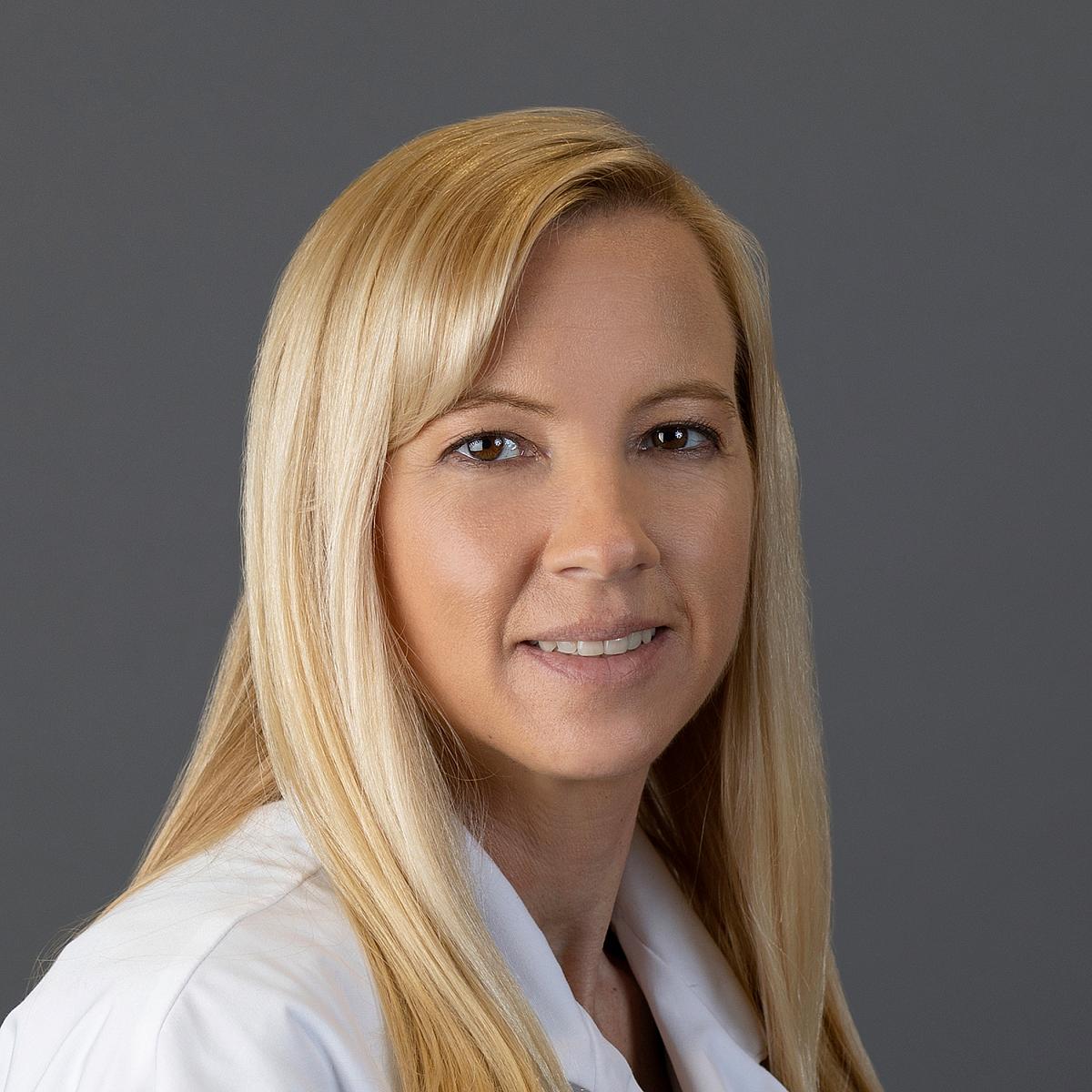
Sheri L. Holmen, PhD
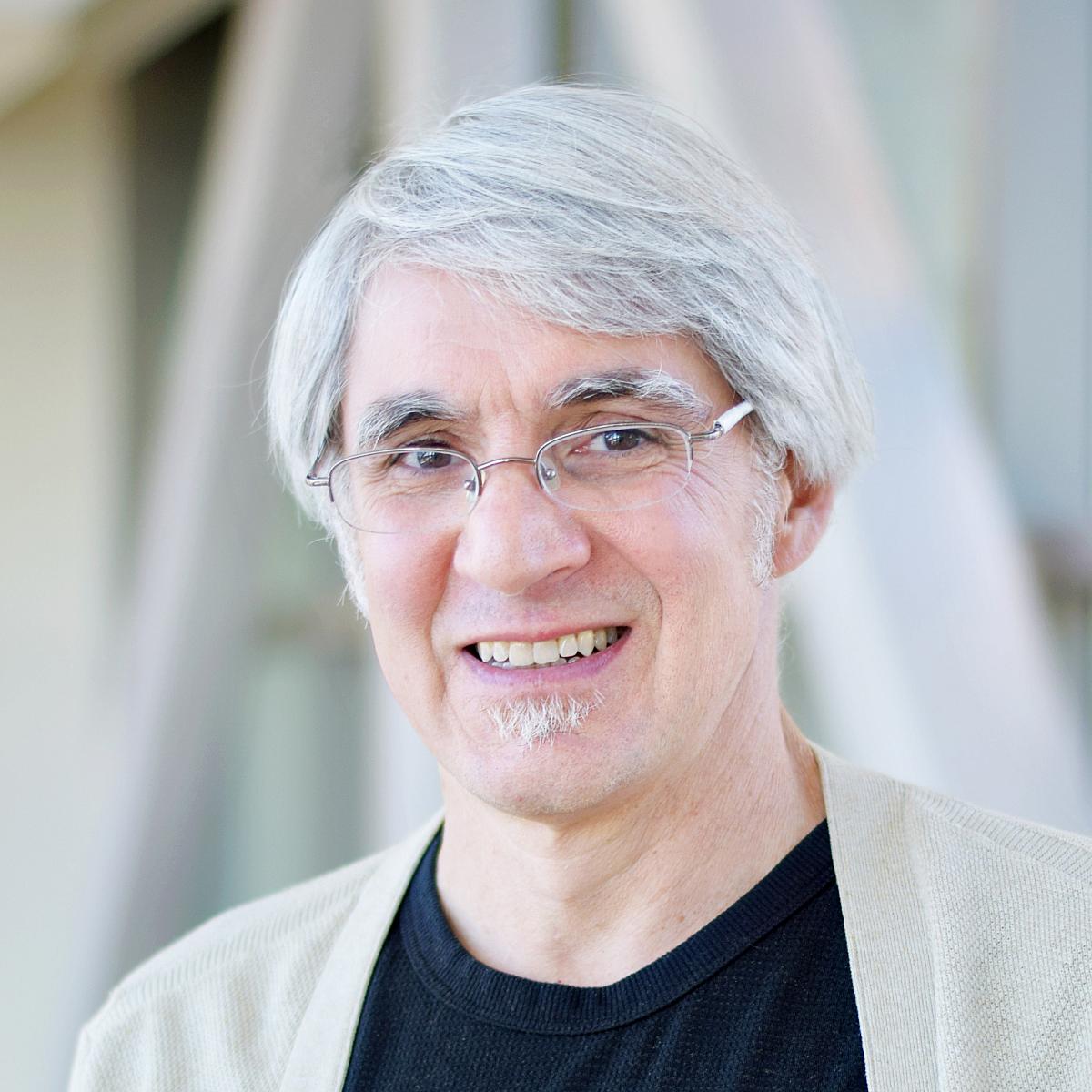
Sean V. Tavtigian, PhD
Trainees
Abigail (Abby) Jackson
Abby Jackson graduated from Carleton College in 2020 with a degree in biology and a minor in Spanish. She worked as a research technician for two years studying nanobodies from sharks and llamas and joined the Molecular Biology PhD program at the University of Utah in 2022. She joined Dr. Keren Hilgendorf's lab in the department of biochemistry, where she studies the interactions between breast cancer cells and adipose tissue, with a particular interest in understanding the effects of adipose tissue on cancer cell metastasis. Outside of lab, Abby spends her time hiking, running, drawing, reading, and baking (pies, mostly).
Scott Pew
Scott Pew graduated from Brigham Young University in 2013 with a degree in Biochemistry. While completing his undergraduate degree, he began to work at ARUP laboratories in a next-generation sequencing genomics laboratory. ARUP made him interested in epidemiology and led to him being enrolled in the Master of Public Health program at the University of Utah. Scott joined Dr. Tavtigian’s lab, which uses BRCA1 as a model to interrogate the performance of computational tools and functional assays to accurately identify genetic variants that confer increased risk of cancer. After Scott completes his PhD, he intends to apply to the Laboratory Genetics and Genomics (LGG) fellowship.
Samantha (Sammy) Stone
Sammy Stone is from Rhode Island and completed her undergraduate studies at Vassar College where she studied chemistry and swam competitively on the varsity swim team. She is an MD-PhD student pursuing her PhD in Dr. Arabella Young's laboratory in the Department of Microbiology and Immunology at Huntsman Cancer Institute. Her research is aimed at identifying clinical biomarkers of response and toxicity to cancer immune checkpoint inhibitor therapies. Outside of lab, she enjoys hiking with her dogs, skiing, and trying new restaurants in SLC.
Sophia Varady
Sophia Varady is a third-year PhD candidate in the Roh-Johnson lab in the department of Biochemistry where she studies how chimeric antigen receptor expressing macrophages interact with immune cells to promote glioblastoma tumor control. Sophia received her undergraduate degree from Reed College where she received training in Cell Biology. In her free time, you can find Sophia Splitboarding or on the reservoir.
Emily Wilson
Emily Wilson is a fourth-year PhD student in the Zhang lab in the Department of Oncological Sciences. Originally from New Jersey, she earned her bachelor’s degree in Molecular Genetics from the University of Vermont. In the Zhang lab, she studies how the 3D genome contributes to transcriptional dysregulation in cancer. Emily is fascinated by the mechanisms that cancer cells use to hijack gene regulation to drive oncogene expression and tumor progression. Her thesis project investigates how alternative promoters function as cis-regulatory enhancers. Additionally, she is exploring the role of a zinc finger transcription factor in repressing the innate immune response in cancer cells.
Jillian Wright
Jillian Wright was raised in Phoenix and completed her undergraduate studies at Arizona State University, where she studied Biological Sciences with a minor in Music Performance. She is now pursuing her PhD in Dr. Gregory Ducker's Lab in the Department of Biochemistry. Her project investigates lipid metabolic regulation in hepatocellular carcinoma through a variety of techniques, including liquid chromatography-mass spectrometry. Beyond the lab, she enjoys hiking with her dog in Millcreek Canyon, playing video games with friends, and exploring Utah with her classmates and colleagues.